Knowing how to tell if a gemstone ring is real is one of the most important skills any jewelry buyer can have. In a market flooded with synthetic stones, glass imitations, and misleading descriptions, the difference between a genuine natural gemstone and a fake one is not always obvious to the untrained eye. This complete guide shows you exactly how to tell if a gemstone ring is real before you spend a single dollar, covering every major natural gemstone from ruby and emerald to sapphire, turquoise, and aqeeq.
Why Authenticity Matters When Buying a Gemstone Ring
Natural gemstones form over millions of years deep within the earth under extreme heat and pressure. Many spiritual and healing traditions hold that this formation process is what gives natural stones their power and significance. A synthetic stone created in a laboratory in two weeks simply cannot replicate this geological history.
Beyond the spiritual dimension, knowing how to tell if a gemstone ring is real has direct financial implications. Natural gemstones hold and often appreciate in value over time. Synthetic stones are worth almost nothing in the resale market. A genuine natural ruby or sapphire ring is a meaningful investment. A synthetic one in a plated setting is an overpriced costume piece.
According to the Gemological Institute of America, natural gemstone certification is the most reliable way to confirm authenticity, confirming the stone’s identity, origin, and treatment status in a single document.
How to Tell if a Ruby Ring is Real
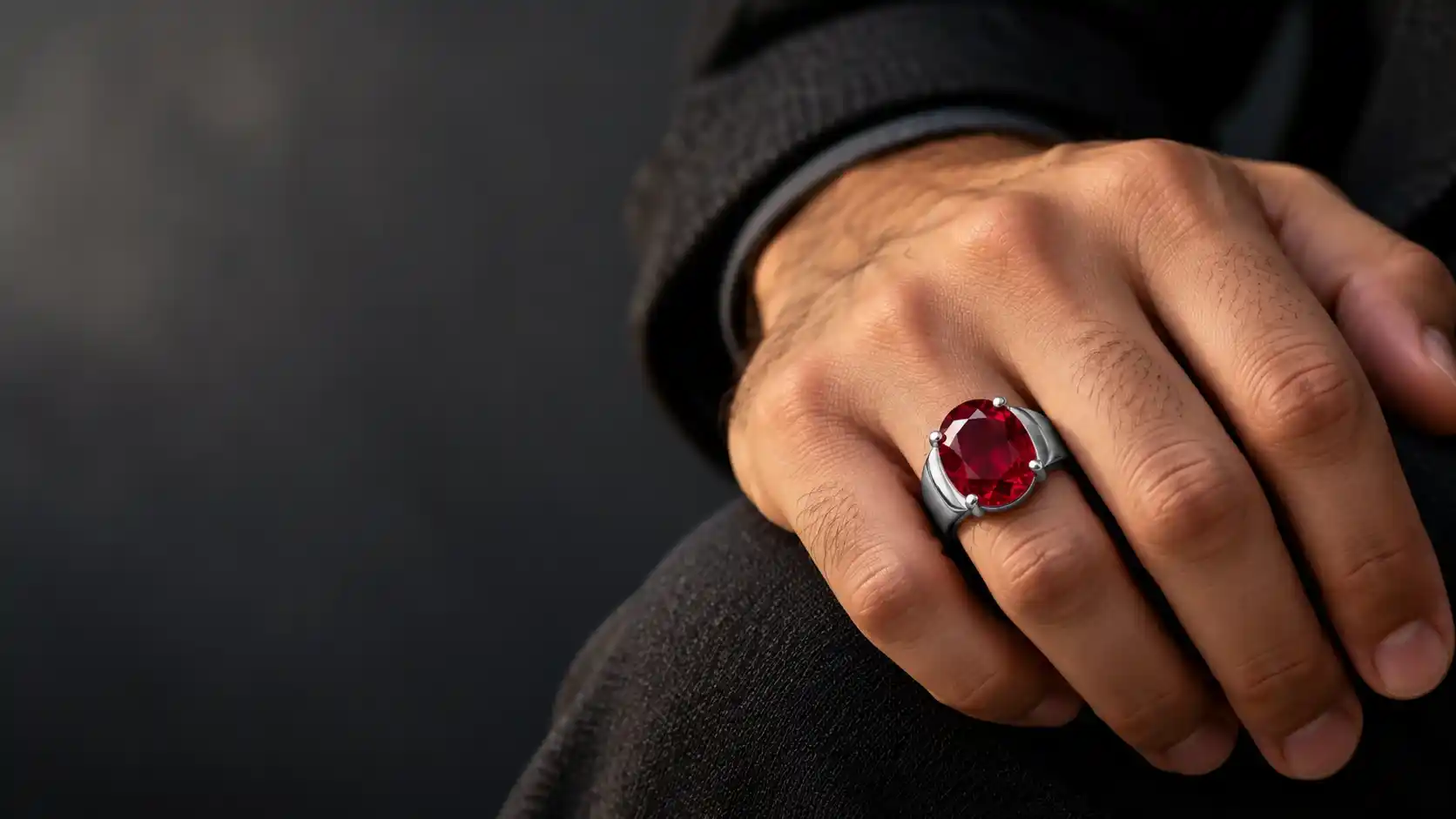
Natural rubies are among the most imitated gemstones in the world. Here is how to tell if a gemstone ring is real when it comes to ruby specifically.
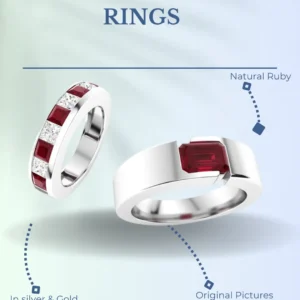
Look for natural inclusions using a jeweler’s loupe or your phone camera at maximum zoom. Natural rubies always contain tiny internal characteristics such as silk-like rutile needles, fingerprint inclusions, or tiny crystals. A perfectly flawless ruby is almost certainly synthetic. Check the color as natural rubies have a rich deep red with slight color variation depending on the viewing angle. Uniformly perfect color is suspicious. Natural gemstones also feel cool to the touch and warm slowly in your hand while glass and plastic warm almost immediately. Natural rubies are also denser than glass or plastic alternatives of the same size.
Browse our collection of genuine natural ruby rings at RingsWear. Every stone is verified natural before setting.
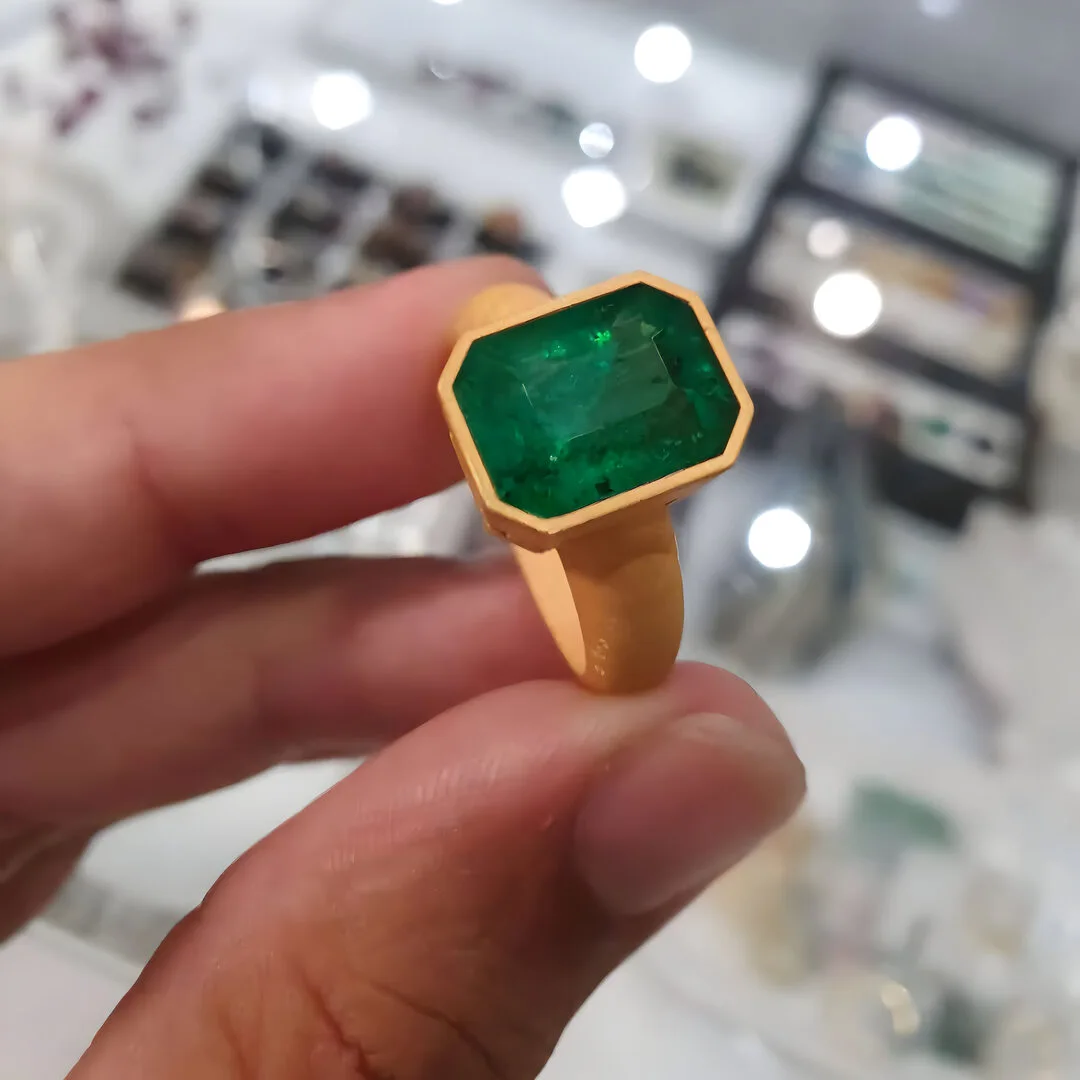
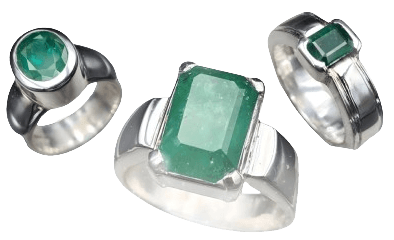
Natural emeralds are famous for their jardin, the French word for garden, describing the characteristic inclusions that make each stone unique. This is the most important thing to know when learning how to tell if a gemstone ring is real in the emerald category.
A completely flawless emerald of significant size is almost certainly synthetic. Natural emeralds virtually always contain visible inclusions. Watch for glass filling as many emeralds on the market have been filled with green resin to hide cracks and improve color, significantly reducing their value. Always ask sellers specifically whether their emeralds are treated or untreated. Natural emerald green has depth and complexity while synthetic alternatives often have an unnaturally vivid almost neon quality.
Browse our collection of natural emerald rings at RingsWear.
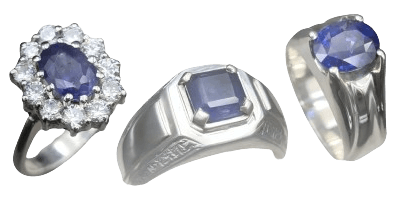
The same principle applies when learning how to tell if a gemstone ring is real for sapphire. Natural inclusions are a positive sign not a flaw. Completely flawless sapphires of significant size are almost always synthetic.
Check for pleochroism. Natural sapphires show slightly different colors when viewed from different angles, typically alternating between blue and slightly violet or greenish. Synthetic stones show less of this effect. Some natural sapphires display a star effect called asterism when viewed under a single light source. This is caused by natural rutile inclusions and is a strong indicator of a genuine natural stone. Synthetic stars look more perfect and uniform.
Browse our collection of natural sapphire rings at RingsWear.
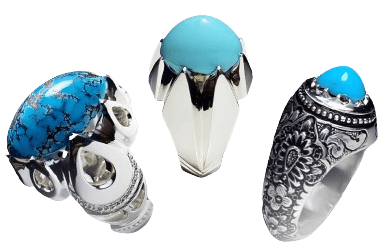
Turquoise is perhaps the most widely faked gemstone in existence. The vast majority of turquoise sold online is actually dyed howlite, plastic, or reconstituted turquoise powder. Knowing how to tell if a gemstone ring is real is especially critical in this category.
Look for natural matrix patterns. Genuine turquoise has distinctive dark veining that runs through the stone in irregular organic patterns. No two genuine turquoise stones have the same matrix. Dyed howlite will bleed color when rubbed with acetone nail polish remover while genuine turquoise will not. Real turquoise also has a waxy slightly matte surface while plastic imitations have a more uniformly shiny appearance.
Browse our collection of genuine natural turquoise rings at RingsWear.
How to Tell if an Aqeeq Ring is Real
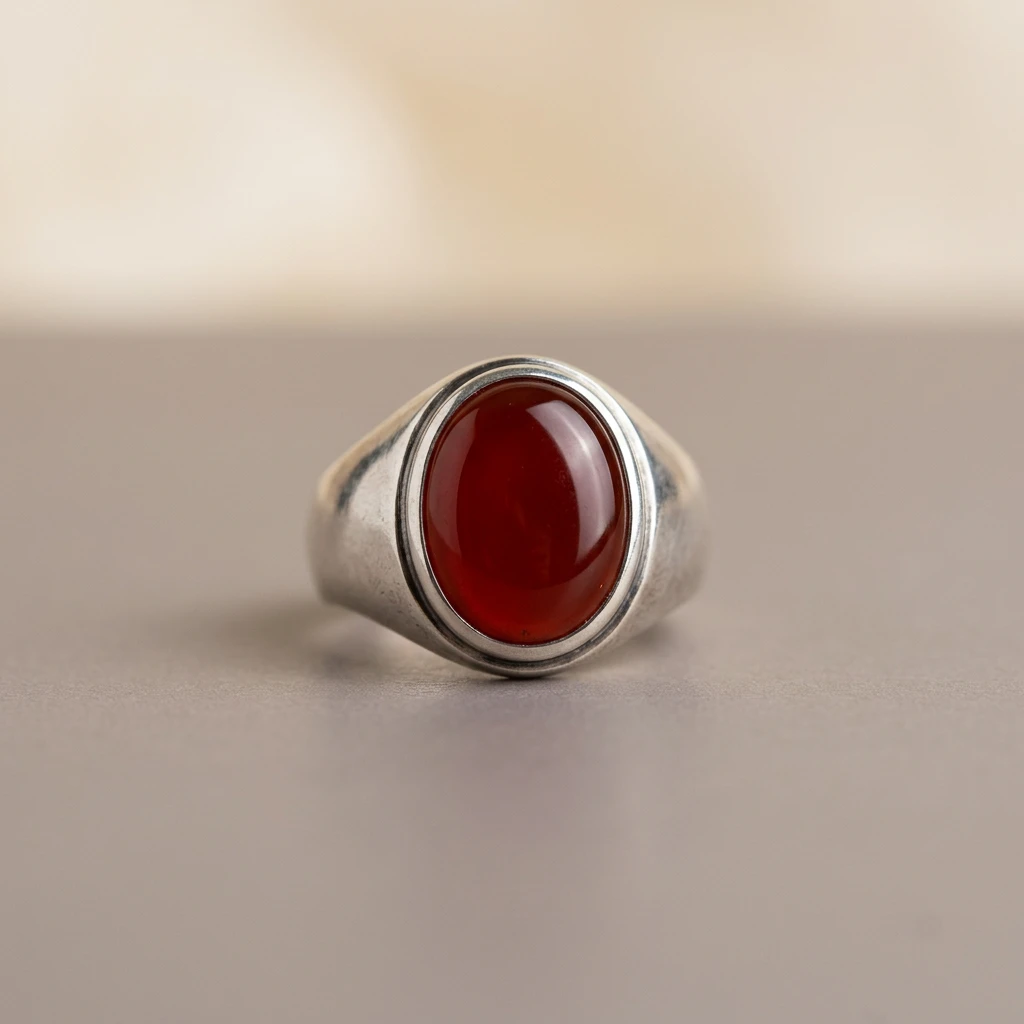
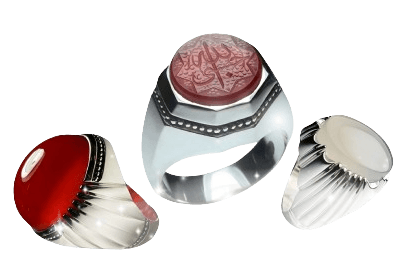
Natural aqeeq has distinctive banding patterns formed over millions of years. These bands are organic and irregular, never perfectly uniform. This organic character is the key to knowing how to tell if a gemstone ring is real when buying aqeeq.
Check the banding. Natural aqeeq bands have slight variations in width, color intensity, and direction. Artificially dyed stones often show unnaturally bright perfectly uniform banding. Hold the stone up to a strong light source. Genuine aqeeq is slightly translucent and you can see through it slightly. Natural aqeeq is also denser than plastic alternatives of the same size.
Browse our collection of genuine natural aqeeq rings at RingsWear.
Natural vs Fake Gemstone Comparison Table
Use this quick reference table to summarise how to tell if a gemstone ring is real across all major stone types.
Gemstone
Real Stone Signs
Fake Stone Signs
Best Home Test
Ruby
Natural inclusions, color variation, cool to touch
Flawless, uniform color, light weight
Loupe inspection, temperature test
Emerald
Jardin inclusions, color depth, slight imperfections
Perfectly clear, neon green, resin filling
Loupe inspection, ask about treatment
Sapphire
Natural inclusions, pleochroism, cool to touch
Flawless, no color shift, light weight
Angle color shift test, loupe
Turquoise
Natural matrix veining, waxy surface, heavy
No matrix, plastic shine, color bleeds
Acetone test, matrix inspection
Aqeeq
Organic banding, slight translucency, heavy
Uniform banding, opaque, light
Light test, weight comparison
5 Questions to Ask Any Gemstone Seller
Before purchasing any gemstone ring online use these five questions alongside your knowledge of how to tell if a gemstone ring is real to protect yourself from buying a fake.
Is this stone 100% natural, untreated, and not synthetic? Where was the stone sourced from? What is your return policy if I am not satisfied? Do you offer any certificate of authenticity? Do you ship from the USA or UK? A reputable seller should be able to answer all five questions confidently and clearly without hesitation.
Why Buy Natural Gemstone Rings From RingsWear
At RingsWear we built our store on a single promise. Every stone we sell is 100% natural, hand-selected, and genuinely what it claims to be. You never need to wonder how to tell if a gemstone ring is real when buying from us because every stone comes with certification available on demand.
We ship directly from Northvale, New Jersey with free FedEx shipping to the USA and UK, 14-day hassle-free returns, and certification available on request for every stone in our collection.
Explore our full collection including ruby rings, emerald rings, sapphire rings, turquoise rings, aqeeq rings, and dur e najaf rings, all shipped free from New Jersey with a 14-day return guarantee.
FAQ
Can I test a gemstone ring at home to tell if it is real?
Yes. The temperature test, weight test, and visual inspection under magnification are all reliable home tests for knowing how to tell if a gemstone ring is real. For expensive purchases consider a professional gemological assessment from a certified gemologist who can provide a definitive answer with proper equipment.
What does a gemological certificate tell me about a ring?
A certificate from a recognised lab such as GIA, AGL, or IGI confirms the stone’s identity, whether it is natural or synthetic, and any treatments it may have undergone. For high value purchases a certificate provides the most reliable peace of mind and is the definitive answer to how to tell if a gemstone ring is real.
Are all inclusions a sign of a real gemstone?
Natural inclusions are a positive sign of authenticity but not all inclusions are equal. Some synthetic stones are deliberately manufactured with artificial inclusions to appear natural. The overall picture combining inclusions with correct color, weight, temperature response, and seller certification gives the most reliable indication of whether a gemstone ring is genuinely real.
What should I do if I suspect my gemstone ring is fake?
Take it to a local jeweler or gemologist for assessment. If you bought it online and it is not as described exercise your right to return it under the seller’s return policy. At RingsWear we offer 14-day returns and stand fully behind the authenticity of every stone we sell.