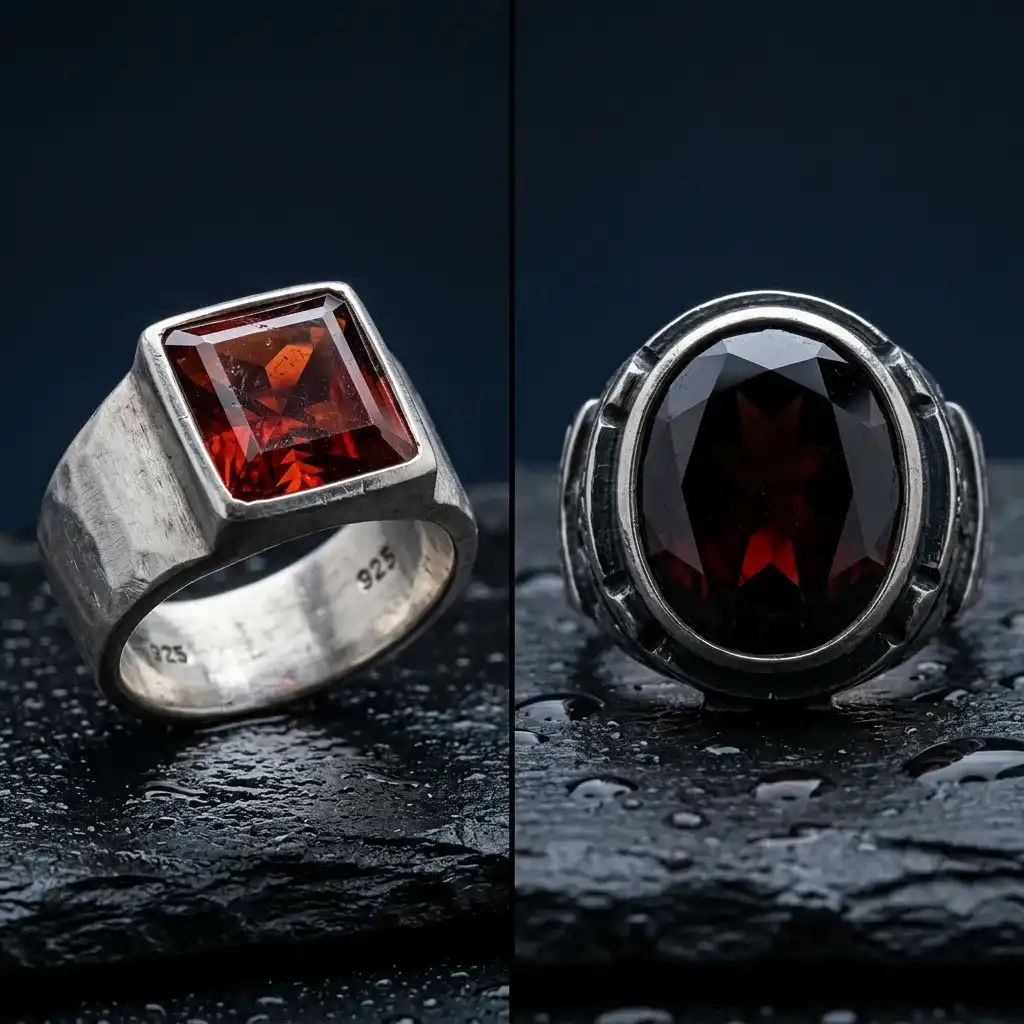
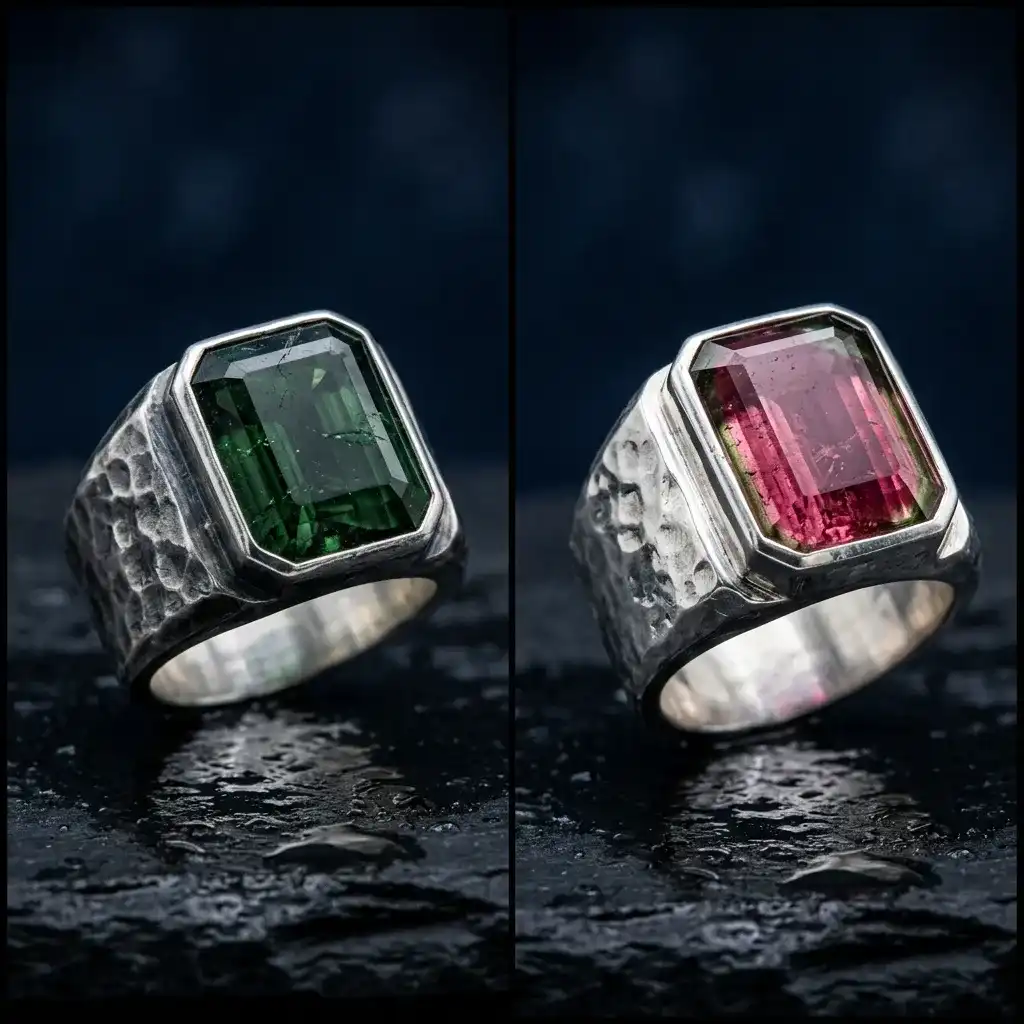
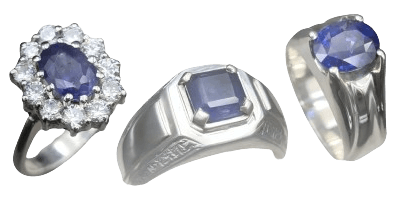
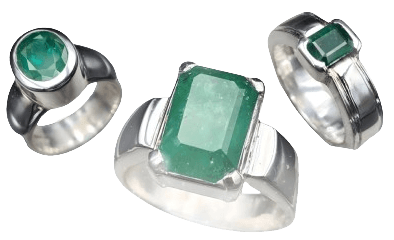
The Yemeni aqeeq gemstone in Islam holds a place few other stones can claim. Worn for centuries by scholars, clergy, and ordinary believers alike, the deep red Yemeni stone is the most prized of all aqeeq. This guide explains what the Yemeni aqeeq gemstone in Islam actually means, who can wear it, which finger it belongs on, and how to make sure the stone you buy is genuine.
What is Yemeni aqeeq
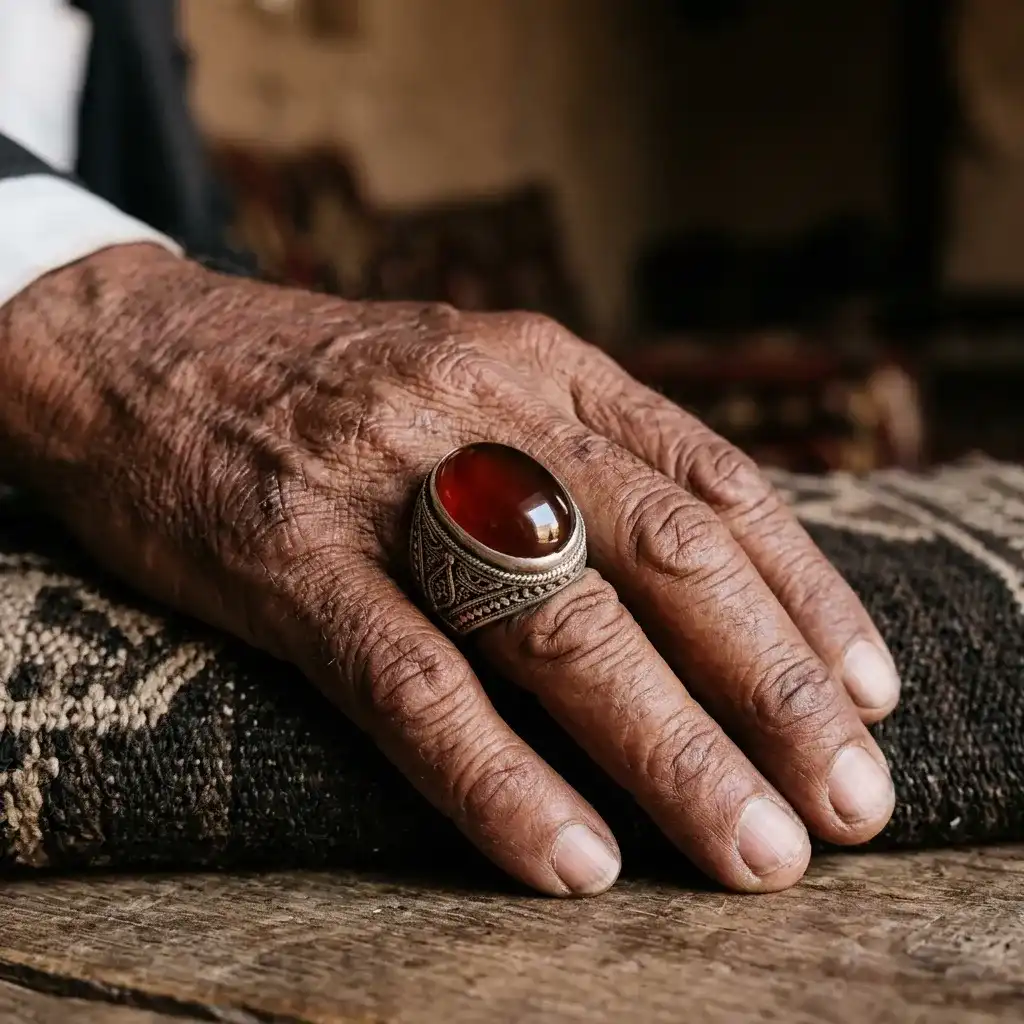
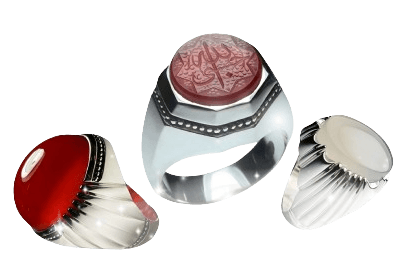
Aqeeq is the traditional name for agate, a form of natural chalcedony. Yemeni aqeeq refers to the variety sourced from the region around Yemen, prized above all others for its deep red to reddish brown colour, fine grain, and the soft internal glow that sets it apart. It is often called the king of agates, and it is the stone most people picture when they think of a traditional Islamic ring.
The stone is completely natural. Not synthetic, not dyed, and not treated in any form. That authenticity matters more here than with almost any other gem, because the value of the Yemeni aqeeq gemstone in Islam rests on it being a genuine natural stone rather than coloured glass.
The significance of aqeeq in Islam
Aqeeq is widely regarded as the most important gemstone in Islamic tradition. Narrations describe it in connection with protection, with the strengthening of faith, and with blessing for the one who wears it. This is why the Yemeni aqeeq gemstone in Islam is worn not just as jewelry but as a devotional practice passed down through generations.
An honest note belongs here. Many of the narrations praising aqeeq are graded as weak by scholars in the Sunni tradition, while they carry stronger standing in the Shia tradition. Wearing it is agreed to be permissible and virtuous across both, but claims that the stone guarantees specific outcomes go beyond what careful scholars assert. You can read narrations concerning rings directly on Sunnah.com.
Did the Prophet wear aqeeq
It is reported that the Prophet Muhammad, peace be upon him, wore a silver ring set with a carnelian aqeeq stone, carnelian being the golden orange to red variety of agate. This is the basis on which aqeeq became so closely tied to Islamic practice, and it is why wearing a natural aqeeq stone in silver is understood as following the tradition.
What is agreed upon across all schools is the silver band and the ring worn by the Prophet. The connection of the Yemeni aqeeq gemstone in Islam to that practice is what gives the stone its enduring place on the hands of believers.
Who can wear Yemeni aqeeq
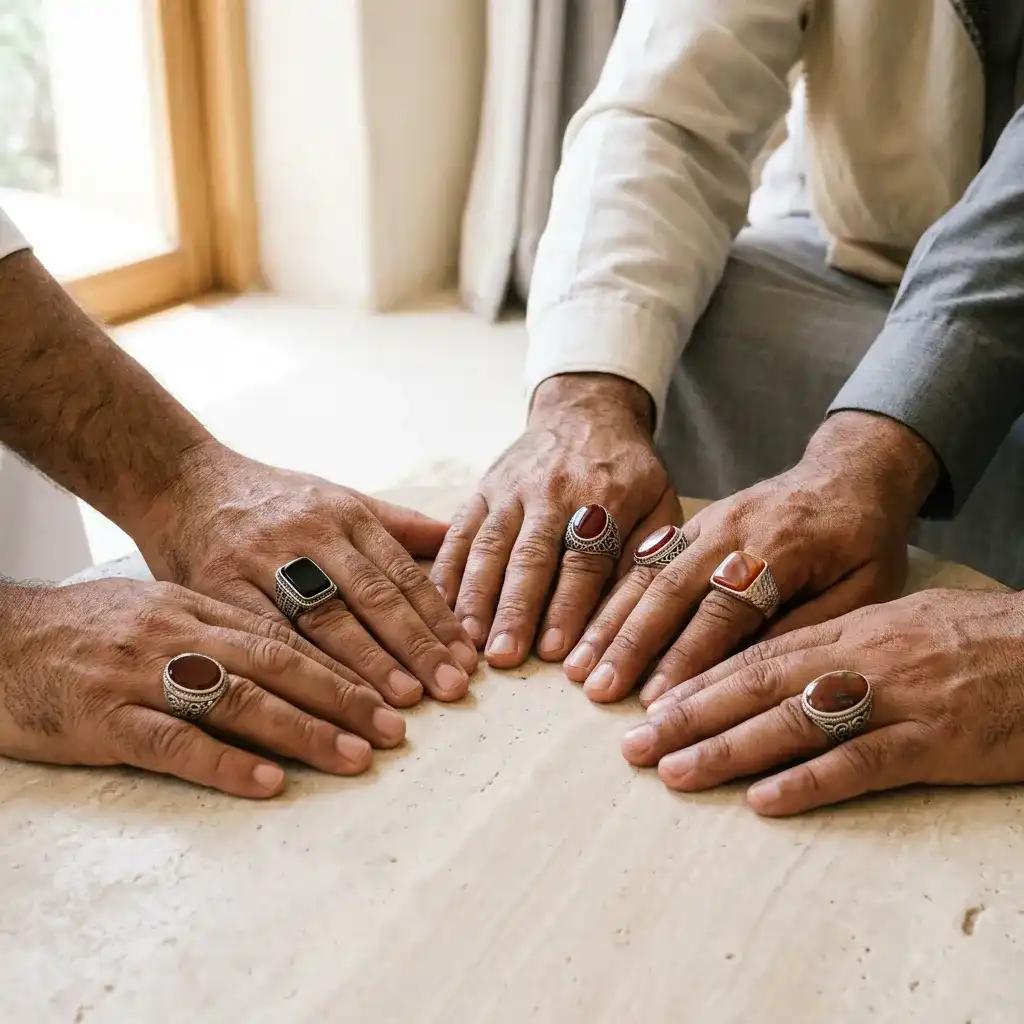
Both men and women wear aqeeq. There is no restriction limiting it to scholars or to any particular group. Men wear it as a practice inspired by the sunnah, and women wear it for the same heritage or simply for the depth of the colour.
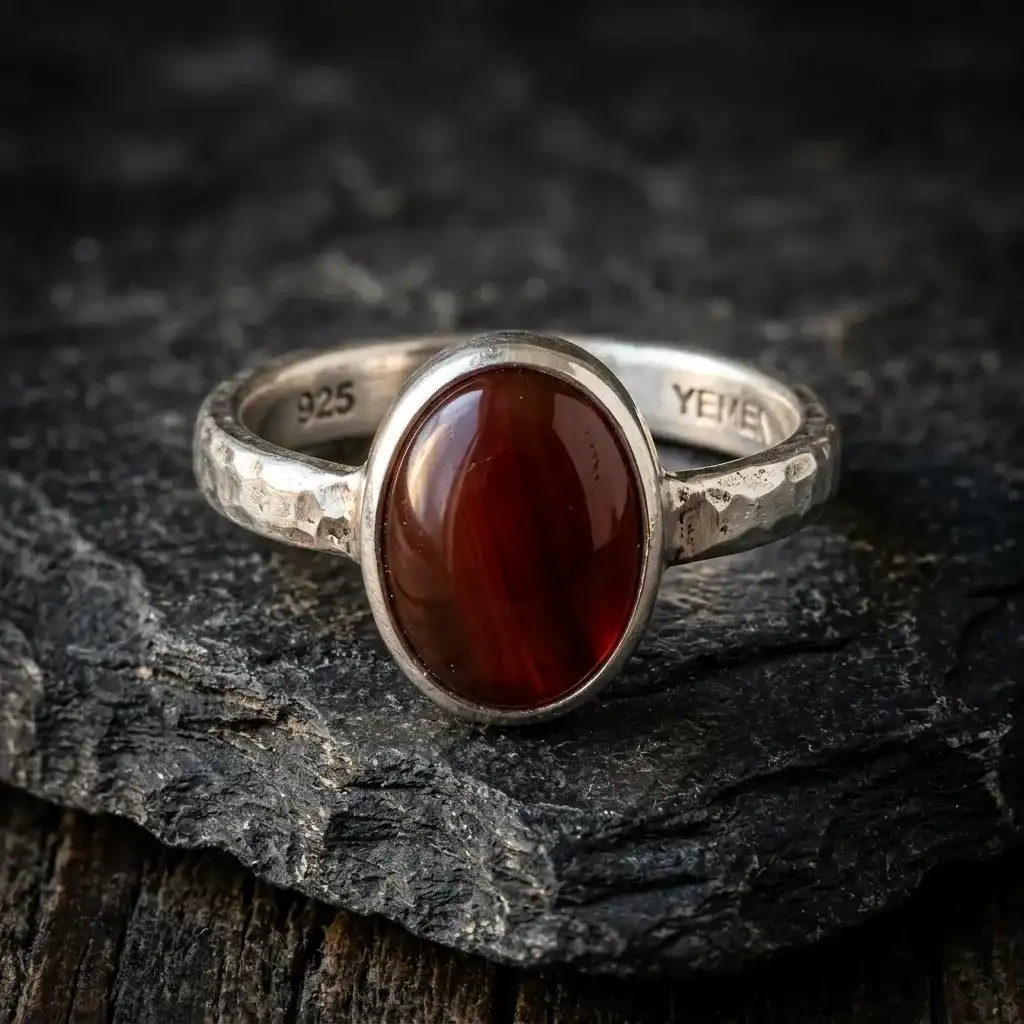
The one firm rule concerns metal. Gold is prohibited for men to wear in Islam, so a proper men’s aqeeq ring is always silver, specifically solid 925 sterling silver, the same metal as the reported prophetic ring. Women may wear aqeeq in any metal, though silver keeps the traditional character. This is why yemeni silver rings are the standard choice for men who want to follow the tradition correctly.
Which finger and hand to wear it on
The little finger is the most commonly cited placement in tradition for men’s rings, and this applies to the Yemeni aqeeq gemstone in Islam as well. The right hand is the more frequently reported choice, though the left is also permissible and both are found in practice.
What is generally avoided is the index and middle finger, based on narrations discouraging those placements specifically. Beyond that, comfort matters. These are customs rather than strict rules, so the finger where the ring sits balanced and stays put is a sound choice.
How to tell a genuine Yemeni stone
This is where most buyers are misled. The market is full of dyed agate sold as Yemeni, and a treated stone carries none of the meaning the tradition attaches to it. A genuine stone shows natural variation in colour, tiny natural marks inside when held to the light, and it stays cool to the touch for a moment when you first pick it up.
Perfectly uniform colour with no character, or a very low price on what is claimed to be fine Yemeni aqeeq, is the clearest warning sign. Buy from a seller who states plainly that the stone is completely natural, not synthetic, not dyed, and not treated in any form, and who can confirm where the stone comes from. If a seller will not answer that question directly, treat it as your answer.
For a ring worn for religious reasons, authenticity is everything. Choose a natural stone set in solid 925 sterling silver, pick the colour that speaks to you, and buy from someone straight about the stone. Every stone in our Yemeni aqeeq rings collection is completely natural and never treated.
Browse our range of yemeni aqeeq rings for men in solid silver, or explore our wider selection of handcrafted yemeni silver rings for men to find a setting that suits you.
Frequently Asked Questions
What is the Yemeni aqeeq gemstone in Islam?
Yemeni aqeeq is a natural red agate from the Yemen region, regarded as the finest variety of aqeeq. In Islam it is the most esteemed gemstone, tied to the prophetic tradition of wearing a silver ring set with a natural aqeeq stone.
Are yemeni aqeeq rings worn by men and women?
Yes. Both men and women wear yemeni aqeeq rings. Men wear them in silver, since gold is impermissible for men in Islam, while women may wear aqeeq in any metal.
Why are yemeni aqeeq rings for men always silver?
Gold is prohibited for men to wear in Islam, so yemeni aqeeq rings for men are set in solid 925 sterling silver, the same metal as the reported prophetic ring. This makes silver the correct and traditional choice.
Which finger should rings with Yemeni aqeeq stone be worn on?
The little finger is the most cited placement, and the right hand is the more common choice. The index and middle finger are generally avoided based on narrations discouraging those placements.
Did the Prophet Muhammad wear a Yemeni aqeeq ring?
It is reported that he wore a silver ring set with a carnelian aqeeq stone. This is the basis on which aqeeq, and Yemeni aqeeq in particular, became the most significant gemstone in Islamic tradition.
How can I tell if a Yemeni aqeeq stone is real?
A genuine stone shows natural colour variation and tiny natural marks inside, and stays cool to the touch for a moment. Uniform colour with no character or a very low price usually means dyed agate or glass. Always buy from a seller who confirms the stone is natural and untreated.
Are yemeni rings for men suitable for everyday wear?
Yes. Aqeeq is hard enough for daily wear at around 6.5 to 7 on the Mohs scale. Many simply remove the ring for rough work to protect the setting. Wipe it clean with a soft cloth and avoid harsh chemicals.