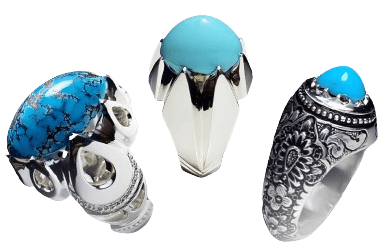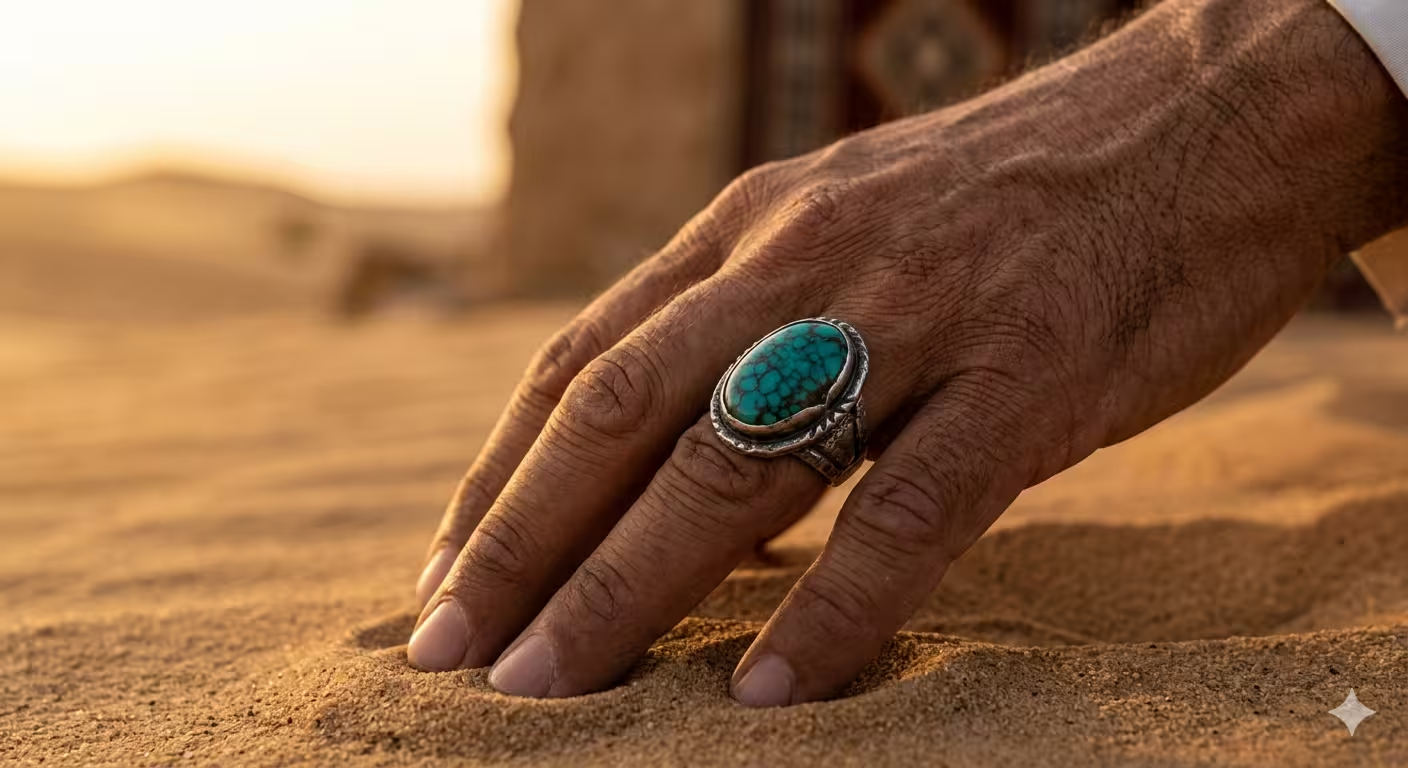
In Persian and Central Asian tradition, where turquoise has been mined and revered for over three thousand years, the stone was most commonly worn on the index or ring finger of the right hand. Persian scholars wrote about the protective and spiritual properties of turquoise extensively, and the right hand placement was considered most effective for those properties to work. According to the GIA turquoise quality and history guide, turquoise has been one of the most historically significant gemstones in human civilization, prized across Persian, Egyptian, and Native American cultures for thousands of years before modern gemology gave it a name.
Turquoise is not a neutral stone. It has been worn with intention for thousands of years across Native American, Islamic, Persian, and Central Asian traditions. In virtually every one of those traditions, the placement of a gemstone on a specific finger was a deliberate act, not an afterthought.
Different fingers are associated with different planets, energies, and intentions in both Eastern and Western esoteric traditions. When you wear a stone with as much cultural and spiritual history as turquoise, understanding those associations gives your ring a dimension that goes far beyond how it looks.
That said, you do not need to follow any tradition strictly. Understanding the options lets you make an informed choice rather than an accidental one.
The index finger, also called the pointer finger, is traditionally associated with Jupiter in both Western astrology and Vedic gemstone tradition. Jupiter governs authority, ambition, confidence, and leadership. Wearing a ring on the index finger has historically been a signal of status and power.
For turquoise specifically, the index finger is an excellent choice for men who want to wear the stone as a statement of personal authority. The index finger is one of the most visible fingers when you gesture or speak, which means the stone gets maximum exposure throughout the day.
In several Native American traditions, turquoise worn on the index finger was associated with protection and guidance. The finger you point with, the finger that leads, is protected by the stone.
If you want your turquoise ring to make a statement and carry the energy of leadership and direction, the index finger is your best choice.
The middle finger is associated with Saturn in traditional gemstone lore. Saturn governs discipline, responsibility, structure, and balance. It is the longest finger and sits at the center of the hand, which gives it a natural association with equilibrium and groundedness.
Wearing turquoise on the middle finger is a choice that emphasizes the stone’s calming and stabilizing properties. Turquoise has long been associated with inner peace, emotional balance, and clear communication. The middle finger amplifies those qualities by connecting them to Saturn’s grounding energy.
From a practical standpoint, the middle finger is also one of the most comfortable fingers for wearing a substantial ring. It has the most structural support from neighboring fingers and tends to hold a ring securely without shifting. For a larger, heavier turquoise ring, the middle finger often provides the best fit and feel.
If you are wearing turquoise for its calming properties or as a daily reminder to stay centered, the middle finger is worth considering.
The ring finger is the most universally recognized finger for meaningful jewelry. In Western tradition it is the finger of commitment and love. In Vedic tradition it is associated with the Sun, governing vitality, creativity, and personal identity.
Wearing turquoise on the ring finger carries a sense of deep personal commitment to what the stone represents. For men who wear turquoise for its spiritual significance, placing it on the ring finger elevates that intention. It is no longer just a gemstone you are wearing. It is something you are committed to carrying.
In Islamic tradition, gemstone rings are most commonly worn on the ring finger or the little finger of either hand. Many devout Muslim men who wear natural Feroza turquoise rings choose the ring finger of the right hand, following the tradition of wearing meaningful stones on the right side of the body.
If your turquoise ring carries personal, spiritual, or cultural meaning that you want to honor in its placement, the ring finger on the right hand is a deeply considered choice.
The little finger, or pinky finger, is associated with Mercury in traditional gemstone lore. Mercury governs communication, intuition, quick thinking, and creative expression. In many cultures, the little finger is also associated with personal style and self expression.
Wearing turquoise on the little finger has a long history in both Islamic tradition and Western style tradition. In Islamic gemstone practice, the little finger of the right hand is one of the most recommended placements for a natural stone ring. Many hadith and scholarly opinions suggest that wearing a ring on the little finger of the right hand is the most traditional and spiritually appropriate placement for men.
From a style perspective, a turquoise ring on the little finger makes a confident aesthetic statement without competing with other rings you might wear on other fingers. It is a placement that signals knowledge of tradition and personal confidence in equal measure.
If you want to follow Islamic tradition in your ring placement while making a quietly confident style choice, the little finger of the right hand is the answer.
The thumb sits apart from the other fingers, and that separation carries meaning. Across various traditions, the thumb is associated with willpower, independence, and personal strength. In some Western traditions it is linked to Mars, the planet of drive and determination.
Wearing a turquoise ring on the thumb is an unconventional choice in most Eastern and Islamic traditions, but it has become increasingly popular in contemporary men’s jewelry styling. A wide band turquoise ring on the thumb makes a bold visual statement that is impossible to ignore.
For men who want to wear turquoise purely as a style choice rather than a spiritual one, the thumb offers the most freedom of expression. There are fewer traditional expectations attached to thumb rings, which gives you more room to let the stone speak for itself.
The hand you choose matters as much as the finger. Here is a simple breakdown:
Right hand is the active hand in most traditions, associated with giving, doing, and projecting energy outward. In Islamic tradition, the right hand is generally preferred for wearing meaningful rings. Wearing your turquoise ring on the right hand aligns with the tradition of actively carrying the stone’s energy into the world.
Left hand is the receptive hand in many traditions, associated with receiving energy and personal inner life. Some Western and esoteric traditions suggest wearing healing or calming stones on the left hand to draw their energy inward.
In practice, most men who wear turquoise for spiritual reasons in Islamic tradition choose the right hand. Most men who wear it for style choose whichever hand feels more natural or looks better with their other jewelry.
In Persian and Central Asian tradition, where turquoise has been mined and revered for over three thousand years, the stone was most commonly worn on the index or ring finger of the right hand. Persian scholars wrote about the protective and spiritual properties of turquoise extensively, and the right hand placement was considered most effective for those properties to work.
In Native American tradition, turquoise placement varied by tribe and purpose. Rings worn for protection were often placed on the index finger. Rings worn for healing were placed closer to the body, often on the ring finger. Rings worn as status symbols could be worn on any finger, often multiple fingers at once.
In Islamic tradition, the little finger of the right hand is the most commonly cited placement for men’s gemstone rings, with the ring finger as a secondary option. The left hand is generally avoided for ring wearing in this tradition.
If you are wearing turquoise for spiritual or religious reasons and follow Islamic tradition, wear it on the little finger or ring finger of your right hand.
If you are wearing turquoise as a style choice and want maximum visual impact, wear it on the index finger or middle finger of your dominant hand.
If you want to make a bold unconventional statement, wear it on the thumb.
There is no universally wrong answer. The most important thing is that you choose with intention rather than by accident. A stone with as much history as turquoise deserves that much consideration.
Different finger placements also call for different ring styles. A wide band sits better on the middle finger or thumb. A more delicate setting works well on the little finger or ring finger. A bold statement piece suits the index finger.
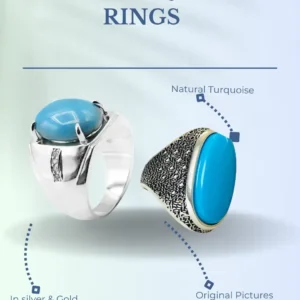
At RingsWear we carry a full range of natural Feroza turquoise rings in 925 sterling silver and gold settings, from simple elegant designs to bold statement pieces. Every stone is natural, untreated, and sourced with an understanding of what makes genuine turquoise special. To learn more about how we source our stones and what sets our rings apart, visit our about us page.
Whatever finger you choose, choose a stone that is worth wearing on it.
In Islamic tradition, men most commonly wear gemstone rings on the little finger or ring finger of the right hand. The little finger of the right hand is the most widely cited recommendation in scholarly tradition.
Can you wear a turquoise ring on any finger?
Yes, there are no strict universal rules about which finger to wear a turquoise ring on. Different traditions suggest different placements based on the stone’s properties and the wearer’s intention. The most important thing is choosing with awareness rather than by default.
What does wearing a turquoise ring on the index finger mean?
The index finger is associated with Jupiter, authority, and leadership. Wearing turquoise on the index finger carries associations with confidence, direction, and protection in several cultural traditions.
Is turquoise a good stone for men to wear?
Turquoise has been worn by men across Native American, Islamic, Persian, and Central Asian traditions for thousands of years. It is one of the most historically masculine gemstones in the world and remains a strong choice for men who want natural stone jewelry with genuine cultural depth.
Which hand is best for a turquoise ring?
In Islamic tradition the right hand is generally preferred. In Western and esoteric traditions the left hand is sometimes suggested for receiving the stone’s calming energy. For style purposes, most men wear it on whichever hand is more visible or comfortable.
Agate gemstone rings are some of the oldest and most varied rings in the world,...
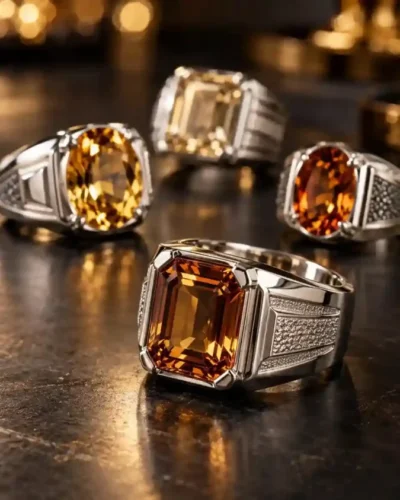
Finding reputable jewelers selling natural topaz matters more than most buyers expect, because topaz is...
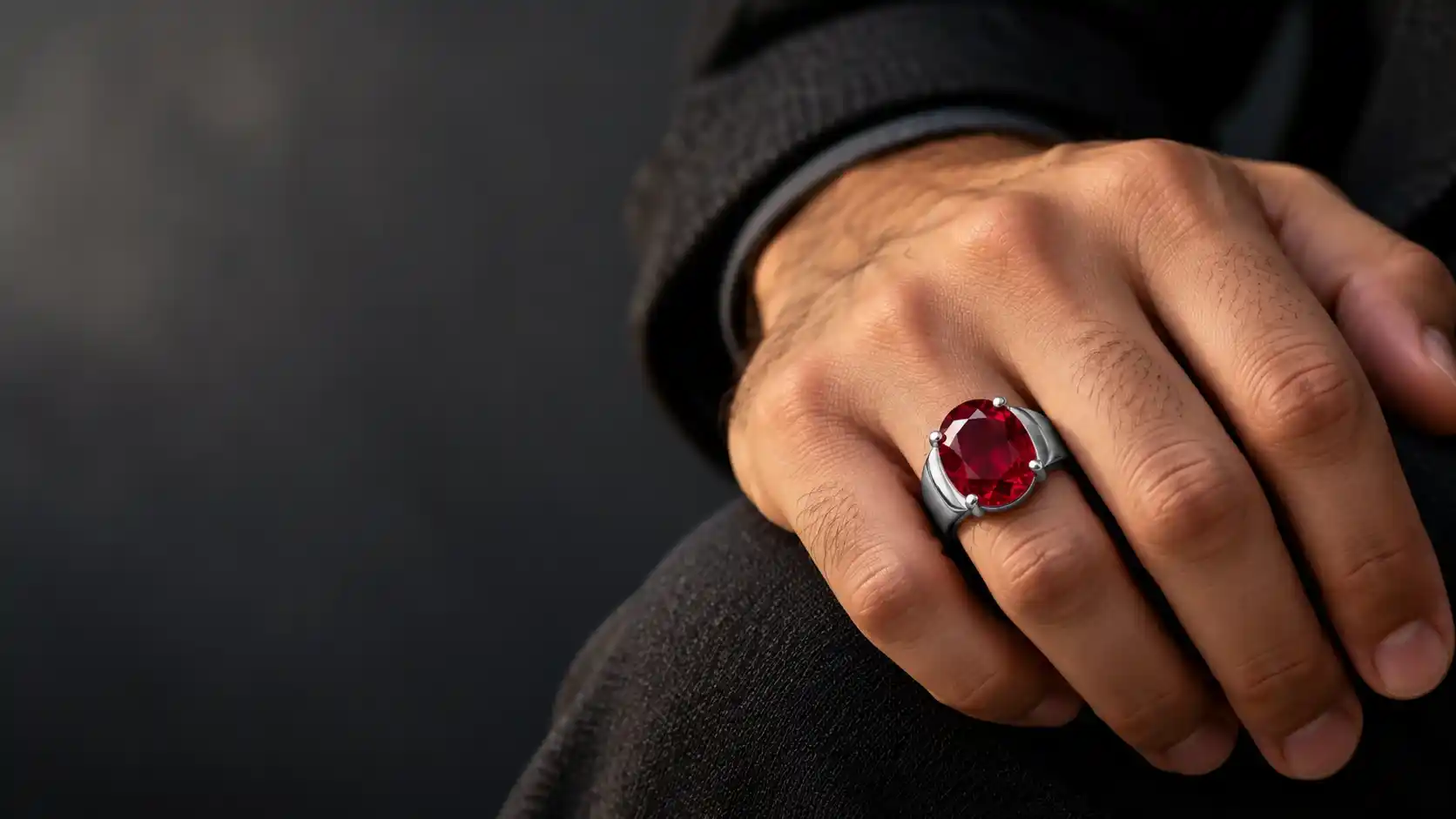
Can men wear ruby ring styles the way women do? Yes, and they have for...
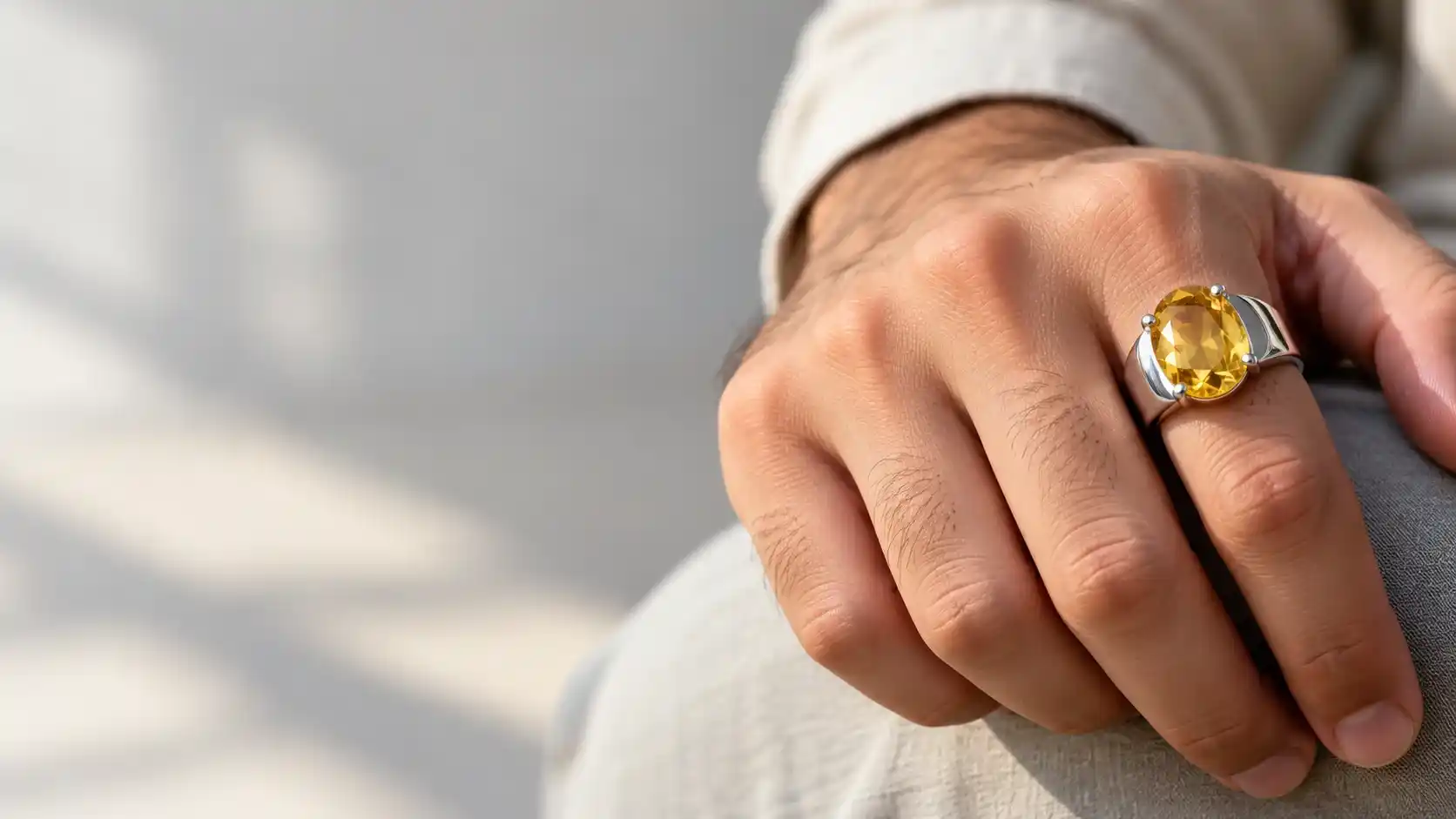
Choosing the right yellow sapphire ring finger is the first question most people ask once...

Knowing how to clean amethyst ring at home keeps the purple bright and the silver...

The Yemeni aqeeq gemstone in Islam holds a place few other stones can claim. Worn...

The difference between synthetic vs natural sapphire is the single most important thing to understand...

Yellow sapphire rings for men are among the most meaningful pieces a man can own....
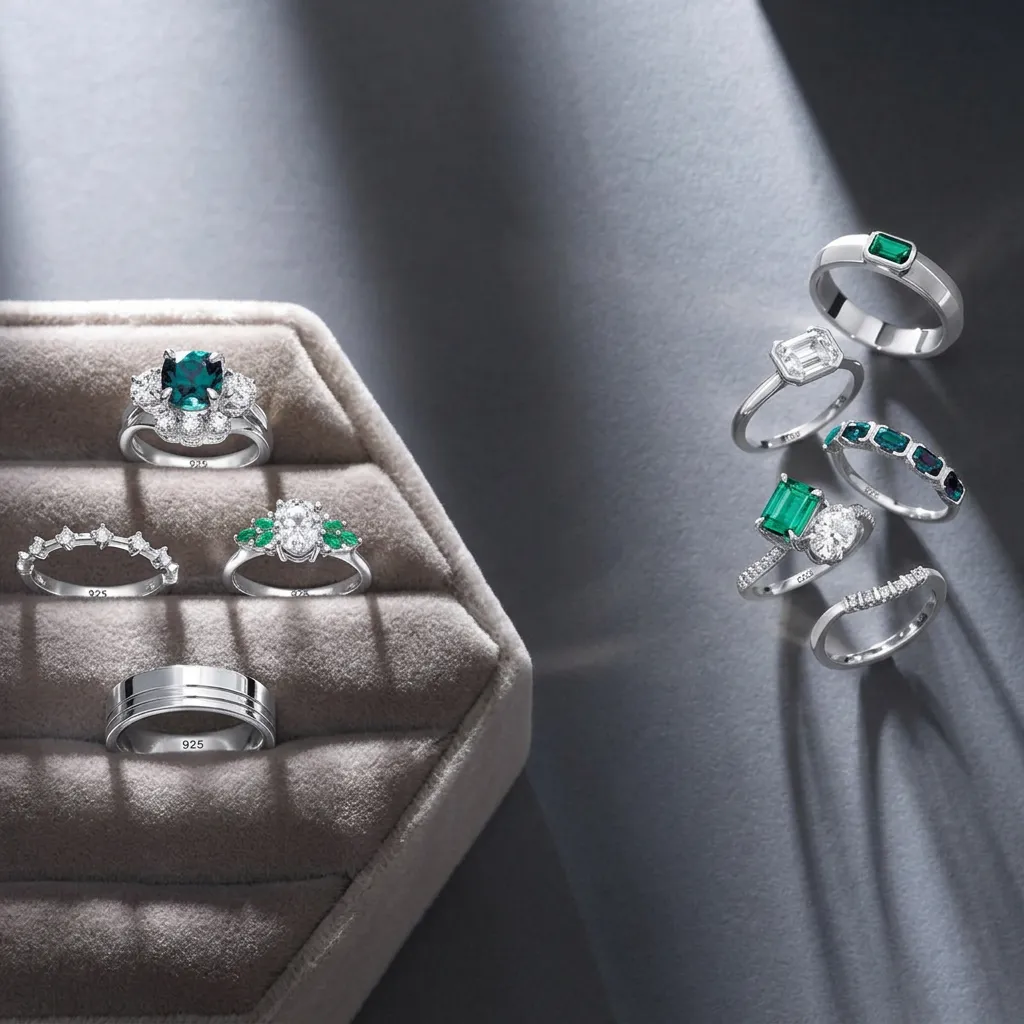
Real gemstone rings in 925 silver are one of the smartest purchases a man can...