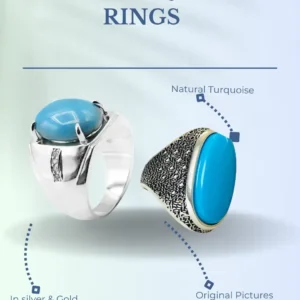
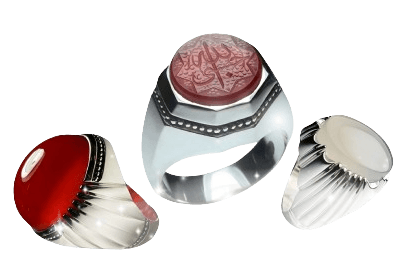
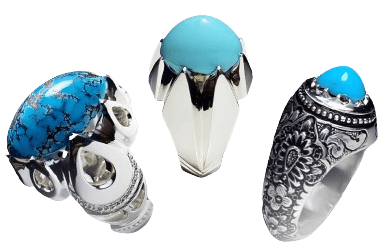
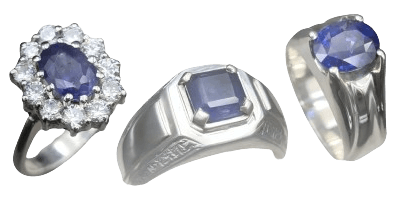
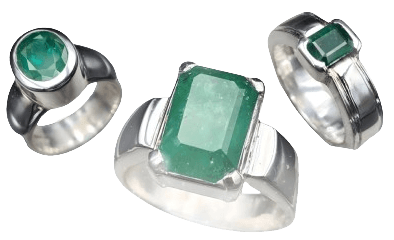
Few gemstones carry as much spiritual weight as turquoise. For over 5,000 years this remarkable stone has been a symbol of protection, wisdom, and connection to the divine. Understanding the spiritual meaning of turquoise rings goes far beyond aesthetics. It connects you to thousands of years of human history, sacred ceremony, and living tradition that spans every continent on earth.
Turquoise is one of the oldest gemstones known to humanity. Archaeological evidence confirms it has been used in jewelry and spiritual practice for at least 5,000 years making it one of the few gemstones with a truly global history of sacred use.
In ancient Egypt, turquoise was associated with protection and rebirth. The Egyptians called it mefkat meaning joy and delight and used it extensively in amulets, burial objects, and royal jewelry including the famous death mask of Tutankhamun.
In Persian culture, turquoise was believed to protect against the evil eye and bring good fortune. The name turquoise itself comes from the French word for Turkish reflecting the trade routes through which the stone reached Europe from Persian and Central Asian mines.
Among Native American cultures of the American Southwest, particularly the Navajo, Zuni, and Hopi peoples, turquoise has profound spiritual significance. It is considered a sacred stone connecting the earth and sky, used in healing ceremonies and worn as protection against negative forces.
In Islamic tradition, turquoise known as Firoza or Feroza is referenced in hadith literature and is believed to bring blessings, ward off the evil eye, and strengthen faith. Many Muslims across the USA and UK wear turquoise rings as a direct expression of spiritual devotion and sunnah practice.
The spiritual meaning of turquoise rings is not one single belief but a convergence of traditions from across the world that have independently arrived at the same conclusion. This stone carries power. It protects, heals, connects, and communicates in ways that few other gemstones approach.
What makes the spiritual meaning of turquoise rings particularly compelling is the consistency across traditions that had no contact with each other. Ancient Egyptians, Persian scholars, Native American medicine men, and Islamic scholars all arrived at remarkably similar conclusions about what this stone does for the person who wears it.
Protection and Purification
Across virtually every culture that has used turquoise spiritually, protection is its primary attributed quality. The stone is believed to absorb negative energy, deflect the evil eye, and create a protective shield around the wearer.
In Islamic tradition it is said that whoever wears a turquoise ring will not see poverty. The stone is associated with divine protection and is considered particularly powerful when gifted by someone who loves you. This protective dimension is central to the spiritual meaning of turquoise rings in Muslim communities across the USA and UK today.
Communication and Truth
Turquoise is associated with the throat chakra in crystal healing traditions, the energy centre governing communication, truth, and authentic self-expression.
Wearing a turquoise ring is believed to help the wearer communicate more clearly, speak their truth with confidence, and navigate difficult conversations with grace and wisdom. This dimension of the spiritual meaning of turquoise rings makes it particularly valued by people in leadership, teaching, and creative professions.
Healing and Wholeness
Traditional healers across many cultures have used turquoise for its believed healing properties. The stone is associated with the immune system, respiratory health, and overall physical wellbeing across multiple independent traditions.
On an emotional level, turquoise is considered a stone of balance helping to integrate disparate aspects of the self and cultivate a sense of wholeness and inner peace. For many wearers this emotional dimension is the most personally meaningful aspect of what a natural turquoise ring brings to daily life.
Connection to the Divine
Perhaps most profoundly, the spiritual meaning of turquoise rings across traditions centers on connection to something greater than the self. The unique blue-green color of turquoise, somewhere between the sky and the sea, has made it a symbol of the meeting point between heaven and earth.
For people seeking to deepen their spiritual practice, wearing a natural turquoise ring is believed to enhance intuition, facilitate meditation, and strengthen the connection to divine guidance. This is why the stone appears in sacred objects across so many unconnected civilizations throughout history.
How to Identify Genuine Natural Turquoise
The turquoise market is unfortunately full of fakes. Understanding the spiritual meaning of turquoise rings only matters if the stone you are wearing is genuinely natural. A dyed howlite or plastic imitation carries none of the properties attributed to real turquoise.
What Fake Turquoise Actually Is
Most turquoise sold online and in markets is not real. The four most common fakes are dyed howlite which is a white stone dyed bright blue to mimic turquoise, plastic or resin imitations with no gemological value, reconstituted turquoise made from turquoise powder compressed with resin worth far less than natural stone, and stabilized turquoise which is real turquoise treated with resin to enhance color and durability.
Signs of Genuine Natural Turquoise
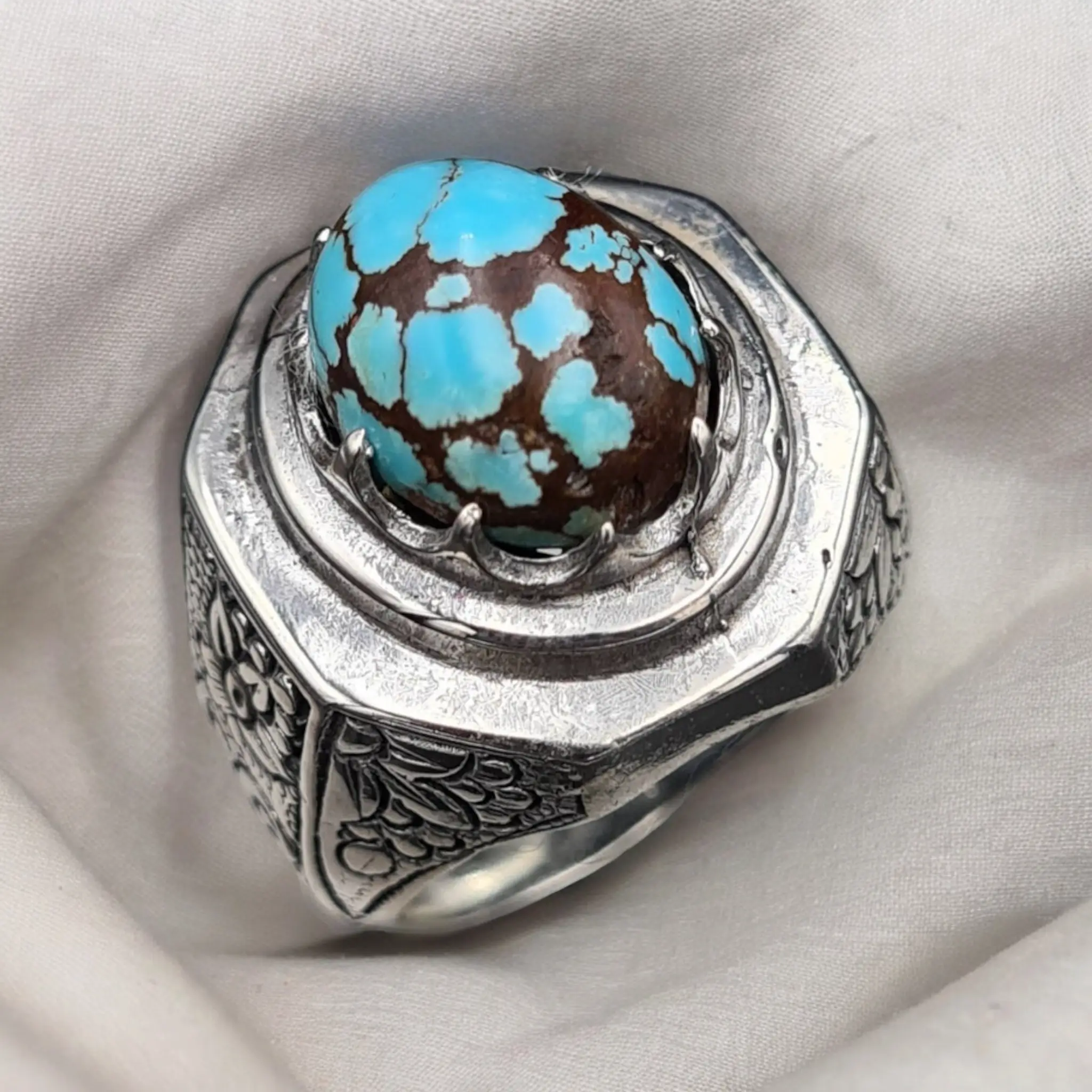
Real natural turquoise has natural matrix patterns with dark veining throughout the stone and no two are identical. The surface is waxy to slightly matte rather than plastic-shiny. It feels cool and heavy to the touch. The color ranges from sky blue to blue-green and is never uniformly bright. According to the Gemological Institute of America, natural turquoise is one of the most frequently imitated gemstones in the market making verification essential before any purchase.
Natural vs Fake Turquoise Comparison
Feature
Natural Turquoise
Dyed Howlite
Stabilized Turquoise
Plastic Resin
Matrix Pattern
Natural irregular veining
Artificial or none
May have matrix
None
Color
Variable blue to blue-green
Uniformly bright blue
Enhanced uniform color
Perfect uniform color
Surface Feel
Waxy and matte
Slightly waxy
Polished and smooth
Plastic shiny
Weight
Heavy and cool
Similar to natural
Similar to natural
Very light
Spiritual Value
Full traditional significance
None
Debated
None
Durability
Good with basic care
Poor fades over time
Good
Poor scratches easily
Certification
GIA certifiable
Not certifiable as turquoise
Certifiable with treatment note
Not certifiable
Price
Premium reflects rarity
Very cheap
Mid range
Very cheap
How to Wear Your Turquoise Ring
Different traditions offer different guidance on how to wear a turquoise ring and understanding these traditions deepens the spiritual meaning of turquoise rings for the individual wearer.
Islamic Tradition
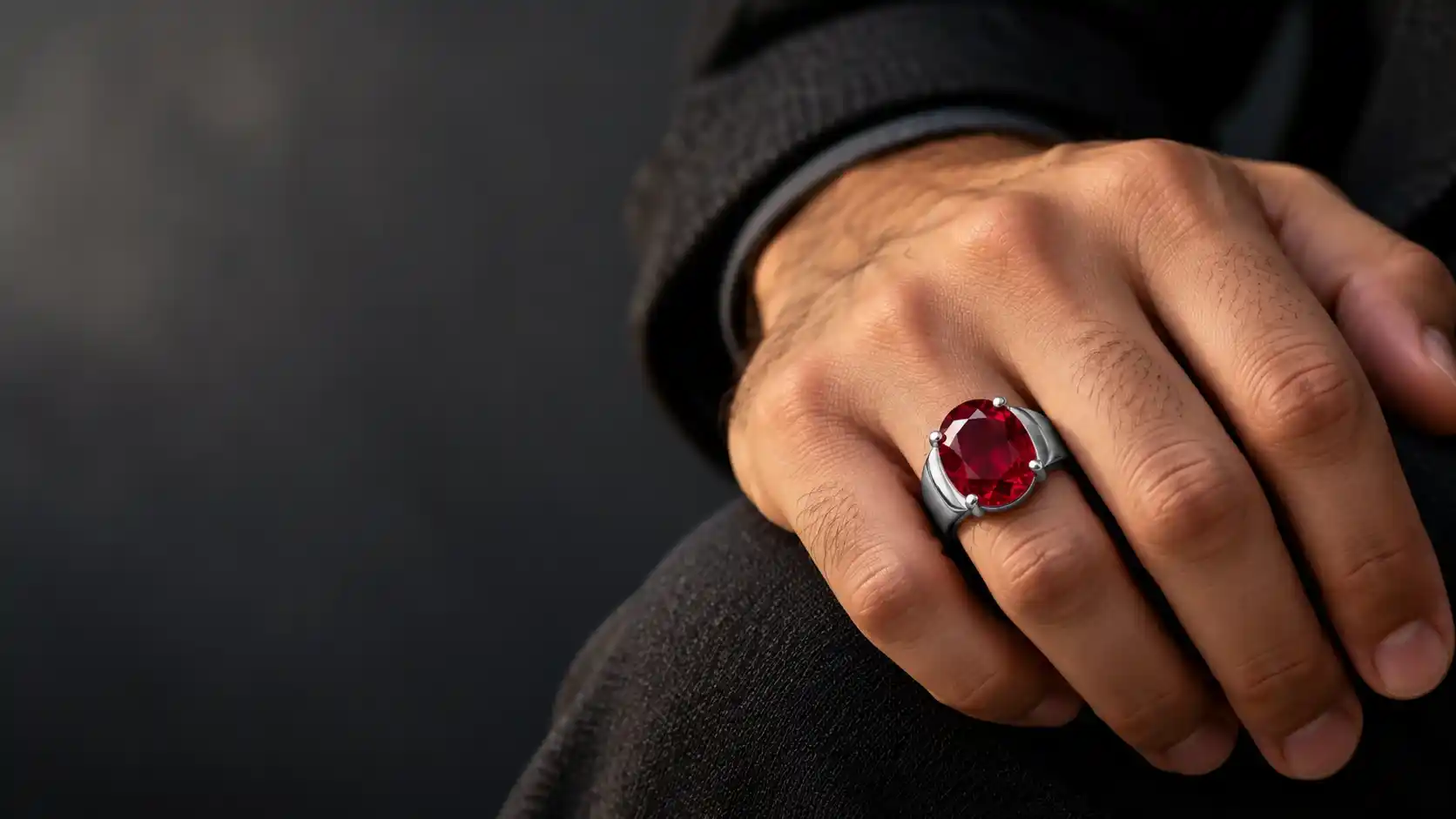
In Islamic tradition turquoise is typically worn on the right hand, often on the ring finger or little finger. It is recommended to have the stone touch the skin directly for maximum spiritual benefit. The ring should be set in silver as gold rings are not recommended for men in Islamic practice. For further guidance on the sunnah of wearing rings visit Sunnah.com.
Vedic Tradition
In Vedic tradition turquoise is associated with Jupiter and is often worn on the index finger of the right hand on a Thursday. It is believed to strengthen Jupiter’s positive influence on the wearer’s life, bringing wisdom, prosperity, and spiritual growth.
Crystal Healing Tradition
In crystal healing traditions there are no strict rules for wearing turquoise. Many practitioners recommend wearing it on the dominant hand to project its energy outward or on the left hand to draw its healing energy inward. The key is consistent wear and conscious intention.
Native American Tradition
In Native American tradition turquoise is a sacred stone not merely a decorative one. Wearing it is an act of respect for the stone’s power and the traditions it represents. Authentic Native American turquoise jewelry is made by indigenous artisans and carries the specific cultural knowledge of tribes like the Navajo, Zuni, and Hopi.
Shop Natural Turquoise Rings at RingsWear
At RingsWear every turquoise ring is crafted with 100% natural Feroza stone with authentic matrix patterns set in solid 925 sterling silver. We do not sell dyed howlite, stabilized turquoise, or plastic imitations. Every stone is genuinely natural and certification is available on demand.
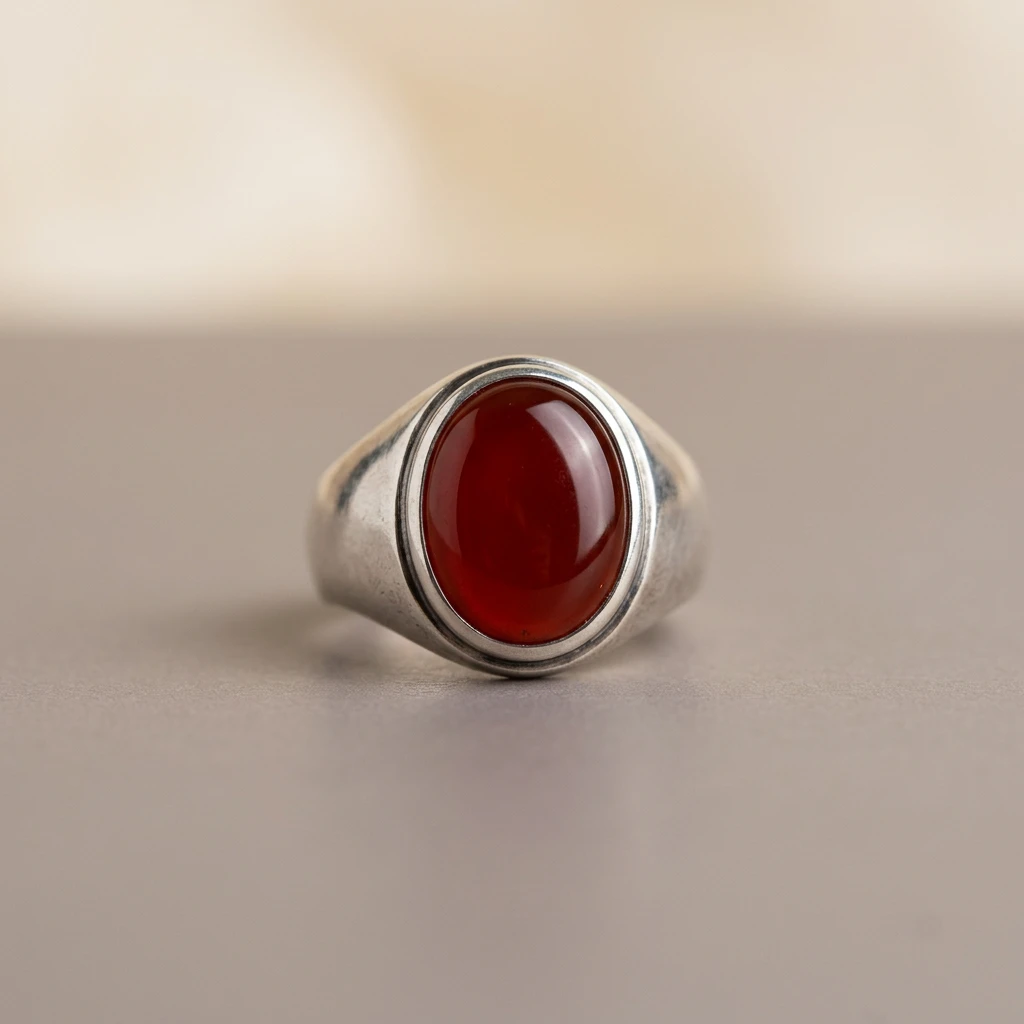
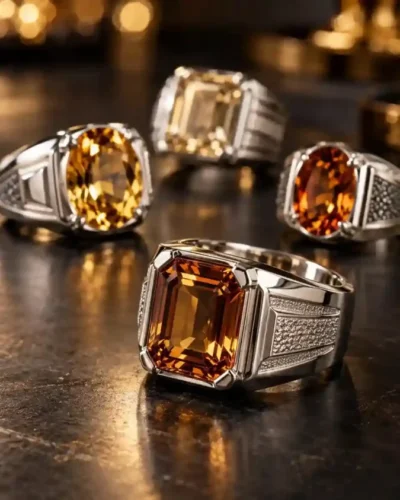
Explore our full collection of natural turquoise rings at RingsWear. We also carry aqeeq rings, ruby rings, emerald rings, and sapphire rings, all 100% natural gemstones shipped free via FedEx from Northvale, New Jersey to the USA and UK.
FAQ
What is the spiritual meaning of turquoise rings in Islam?
In Islamic tradition the spiritual meaning of turquoise rings centers on protection, blessing, and strengthening of faith. Turquoise known as Firoza is referenced in hadith literature and is considered a stone that wards off the evil eye, brings divine protection, and is associated with the sunnah of wearing a ring. It is recommended to wear it on the right hand with the stone touching the skin in a silver setting.
How do I know if my turquoise ring is spiritually effective?
The spiritual meaning of turquoise rings only applies to genuine natural stones. A dyed howlite or plastic imitation does not carry the properties attributed to real turquoise in any tradition. Look for natural matrix patterns, a waxy surface, cool heavy feel, and ask for GIA certification. Wearing a natural untreated turquoise in a silver setting with the stone touching the skin is the foundation of proper use across all traditions.
What is the difference between Feroza and turquoise?
Feroza is the Persian and Urdu name for turquoise. They are exactly the same stone. The name Feroza is commonly used across South Asia, the Middle East, and in Islamic communities worldwide while turquoise is the Western name derived from the French word for Turkish referring to the trade routes through which the stone historically reached Europe.
Can I wear a turquoise ring every day?
Yes. Natural turquoise set in solid 925 sterling silver is durable enough for everyday wear. Clean gently with a soft cloth and avoid prolonged exposure to water, harsh chemicals, and direct sunlight which can fade the color over time. Store separately from harder gemstones like sapphire and diamond that could scratch the surface.