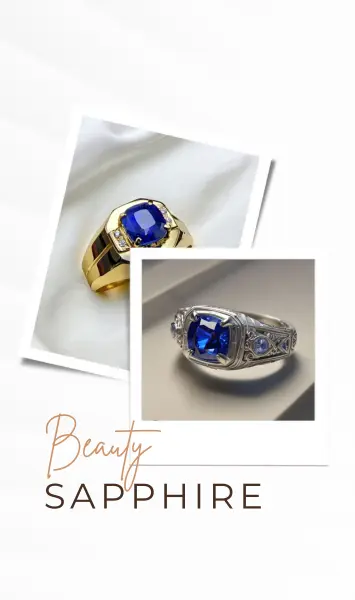
Natural Sapphire Ring Buying Guide Everything You Need to Know Before You Buy
This natural sapphire ring buying guide covers everything you need to know before spending money on a genuine sapphire ring online. A natural sapphire ring is one of the most timeless and meaningful pieces of jewelry you can own. Whether you are buying for yourself, as an engagement ring, or as a deeply personal gift, choosing the right sapphire requires knowledge, care, and a trusted source. Use this natural sapphire ring buying guide to make the right decision with confidence.
Natural Sapphire Ring Buying Guide: What is a Natural Sapphire
Sapphire is a variety of the mineral corundum, the same mineral family as ruby. While sapphires come in virtually every color of the rainbow including pink, yellow, orange, and colorless, blue sapphire is by far the most prized and recognisable variety in the market.
A natural sapphire forms in the earth over millions of years under extreme geological conditions. The most celebrated natural sapphires come from Kashmir in India which is considered the finest source in the world producing a velvety cornflower blue, Burma which is known for rich vibrant blue stones, Ceylon in Sri Lanka which produces the famous cornflower blue sapphires beloved by royalty, and Madagascar which is an increasingly important source of high quality natural stones.
Natural vs Synthetic Sapphire: What Every Buyer Must Know
The sapphire market is flooded with synthetic lab-created stones that look nearly identical to natural sapphires but are worth a fraction of the price. This section of the natural sapphire ring buying guide is one of the most important to understand before making any purchase.
A natural sapphire forms in the earth over millions of years, contains natural inclusions that are a sign of authenticity, shows slight color variation depending on viewing angle, holds and increases in value over time, and carries spiritual and energetic properties valued across traditions.
A synthetic sapphire is grown in a laboratory in weeks, is nearly flawless and too perfect to be natural, is chemically identical but energetically different, and is worth significantly less than a natural stone. The most reliable way to verify a natural sapphire is through GIA certification. According to the Gemological Institute of America, natural sapphire certification confirms country of origin, treatment status, and stone identity making it the definitive verification for any serious buyer.
Natural Sapphire Ring Buying Guide: The 4 Cs of Sapphire Quality
Color
Color is the most important quality factor in any natural sapphire ring buying guide. The most prized color is a vivid medium-deep cornflower blue, not too dark which looks black in poor lighting and not too pale. The famous Kashmir blue, a velvety slightly violet-blue, commands the highest prices. Ceylon sapphires are known for their bright clean cornflower blue that has made them the benchmark for sapphire color worldwide.
Clarity
Unlike diamonds, sapphires are expected to have inclusions which are natural internal characteristics that confirm authenticity. A sapphire with no visible inclusions at all is almost certainly synthetic. A sapphire with minor non-distracting inclusions is perfectly normal and desirable in the natural gemstone market.
Cut
The cut determines how well the sapphire reflects light and how vibrant its color appears. Oval cut shows color most effectively and is very popular for sapphire rings. Cushion cut maximises color and brilliance. Round cut maximises brilliance but can make color appear lighter. Emerald cut is elegant and sophisticated and shows clarity well.
Carat Weight
Larger natural sapphires are significantly rarer than smaller ones. A 2 carat natural sapphire of good quality is exponentially more rare and valuable than two 1 carat stones. This price-to-size relationship is one of the most important things to understand in this natural sapphire ring buying guide.
Choosing the Right Setting for Your Sapphire Ring
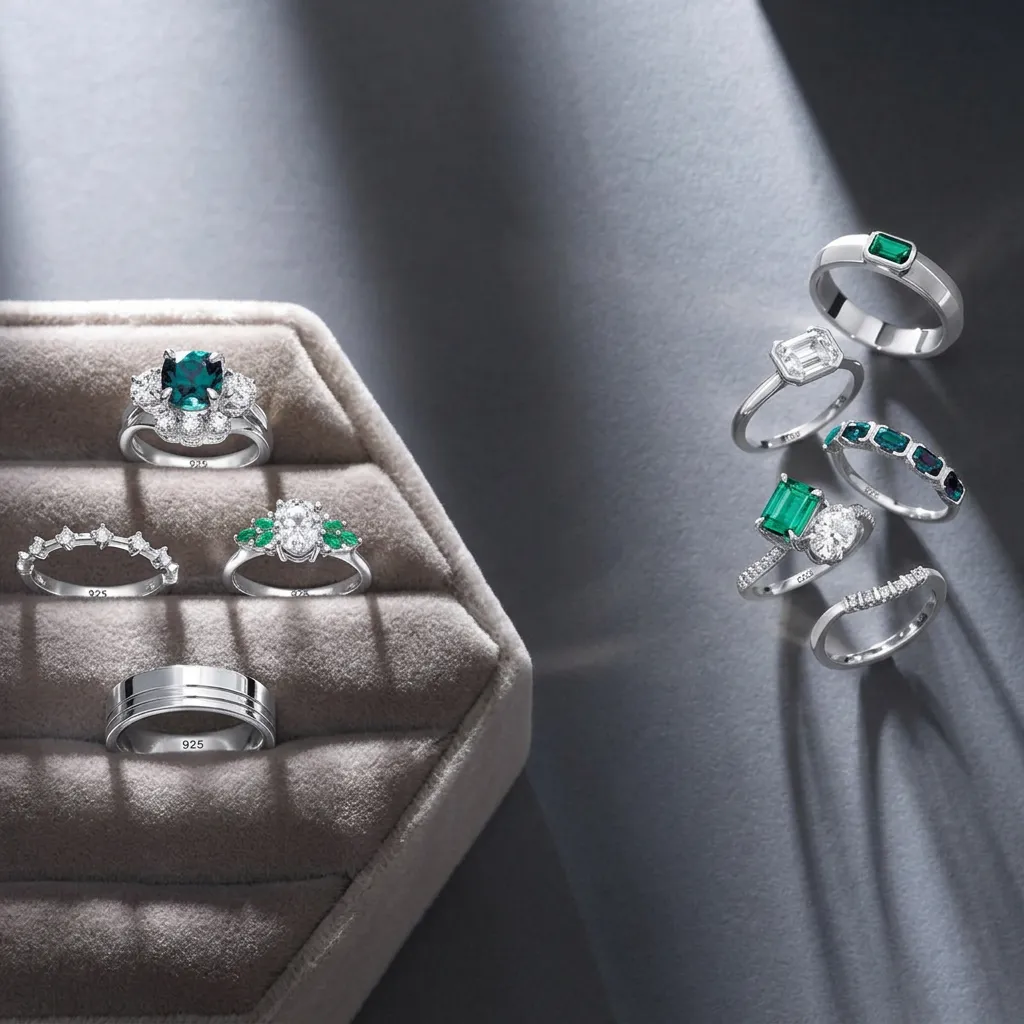
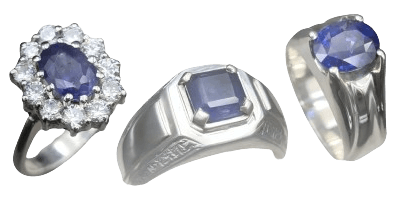
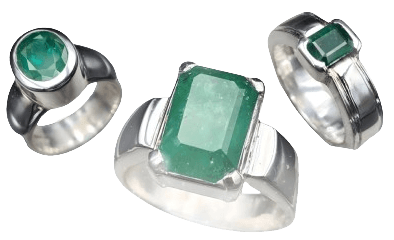
The setting you choose affects both the appearance and durability of your natural sapphire ring. Sterling silver is the most popular choice, its cool bright tone perfectly complementing sapphire’s blue hues while being durable for everyday wear. Prong settings hold the stone securely while allowing maximum light to enter making the color appear more vibrant. Bezel settings completely surround the stone with metal and are ideal for people with active lifestyles.
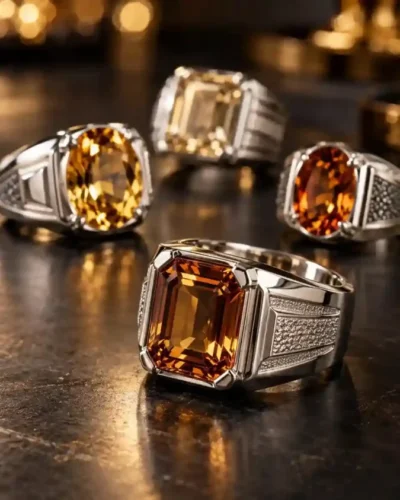
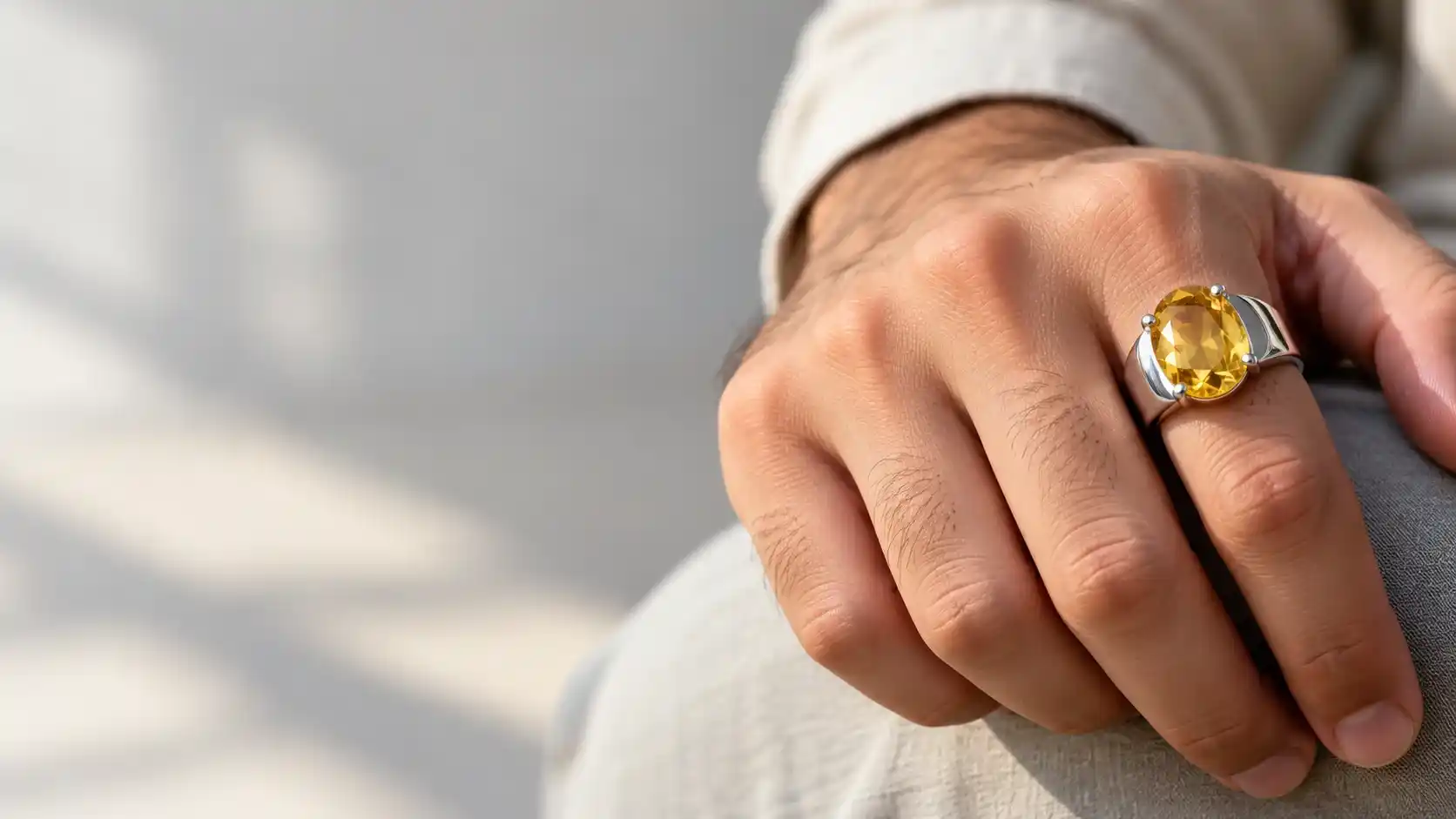
Browse our full collection of natural sapphire rings at RingsWear across Ceylon blue, yellow, star sapphire, and multi-stone designs in 925 sterling silver.
Sapphire Origin Comparison Table
Use this table from our natural sapphire ring buying guide to compare the four major sapphire origins at a glance before making your decision.
Origin
Color
Clarity
Value
Best For
Kashmir
Velvety cornflower blue
Exceptional
Highest
Collectors, investment
Burma
Rich vibrant blue
Very good
Very high
Premium buyers
Ceylon
Bright cornflower blue
Good to excellent
High
Engagement rings, daily wear
Madagascar
Deep blue, varied
Good
Accessible
Value buyers
The Spiritual Significance of Natural Sapphire
Beyond its physical beauty natural sapphire carries profound spiritual significance across multiple traditions. In Vedic astrology sapphire is the gemstone of Saturn and is believed to bring discipline, focus, career success, and material prosperity when correctly chosen. In Christian tradition sapphire was associated with the heavens and divine truth with bishops wearing sapphire rings as symbols of heavenly wisdom. In Islamic tradition blue stones are associated with clarity of mind, spiritual depth, and protection. In crystal healing sapphire is linked to the third eye and throat chakras enhancing intuition, mental clarity, and authentic communication.
Where to Buy a Natural Sapphire Ring in the USA and UK
When following this natural sapphire ring buying guide to make a purchase online always look for a clear statement that the stone is natural and not synthetic or lab-created, USA or UK based shipping for fast delivery and easy returns, a transparent return policy of at least 14 days, real customer reviews mentioning stone quality, and close-up photos showing the stone’s natural characteristics.
At RingsWear every natural sapphire ring is crafted with a 100% natural hand-selected genuine sapphire set in sterling silver. We ship directly from Northvale, New Jersey with free FedEx shipping to the USA and UK and 14-day hassle-free returns.
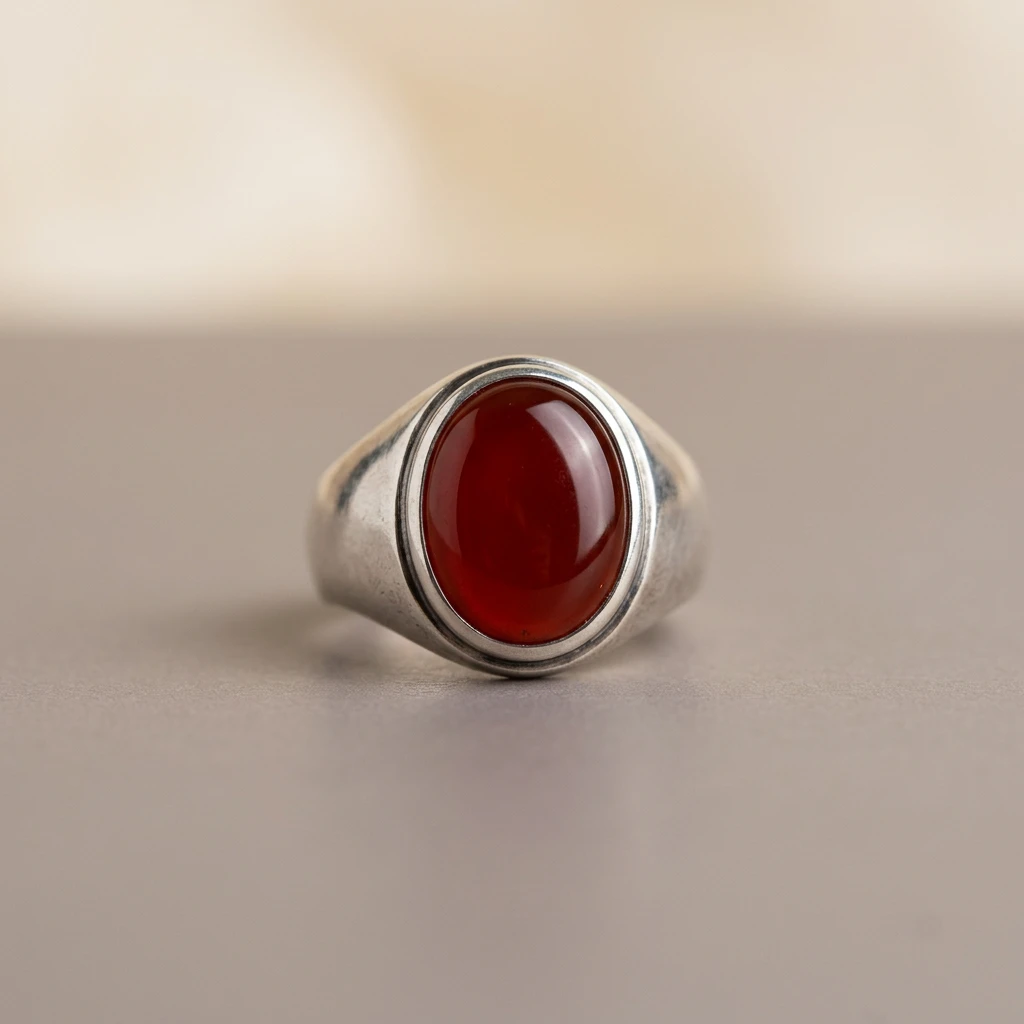
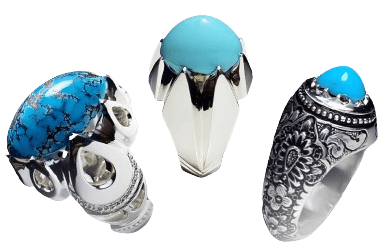
We also carry ruby rings, emerald rings, turquoise rings, and aqeeq rings, all 100% natural gemstones shipped free from New Jersey.
FAQ
What is the most popular natural sapphire ring color?
Blue is by far the most popular and most prized. However sapphires also come in pink, yellow, white, and padparadscha which is an orange-pink variety. All are genuine natural sapphires and all are covered in this natural sapphire ring buying guide. The choice of color depends entirely on personal preference and intended use.
Is a natural sapphire ring suitable as an engagement ring?
Absolutely. Sapphire rates 9 on the Mohs hardness scale making it one of the most durable gemstones for everyday wear. Princess Diana’s famous engagement ring was a natural Ceylon sapphire which brought global attention to sapphire as an engagement ring stone and significantly increased demand that continues today.
What is a Ceylon sapphire and why is it so popular?
Ceylon sapphires come from Sri Lanka, formerly known as Ceylon, and are renowned worldwide for their vivid cornflower blue color and excellent natural clarity. They are the most widely certified sapphire origin and the variety most commonly associated with fine sapphire jewelry across the USA and UK markets. Any serious natural sapphire ring buying guide will recommend Ceylon as the safest and most versatile origin choice for most buyers.
How should I care for my natural sapphire ring?
Clean with warm water and a soft brush avoiding harsh chemicals. Ultrasonic cleaners are generally safe for untreated sapphires but should be avoided if the stone has significant inclusions. Store separately to prevent scratching other jewelry. Remove before swimming, showering, or applying chemicals to protect both the stone and the silver setting over time.