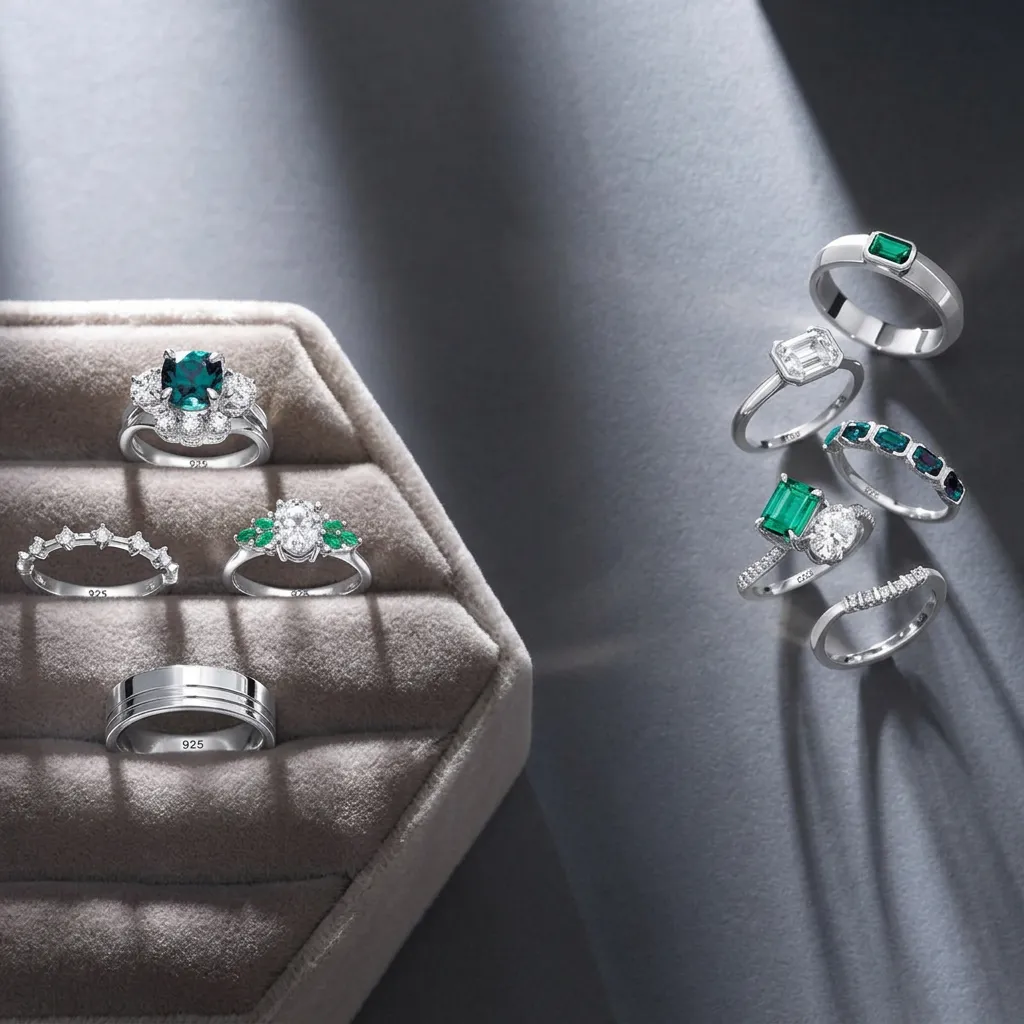
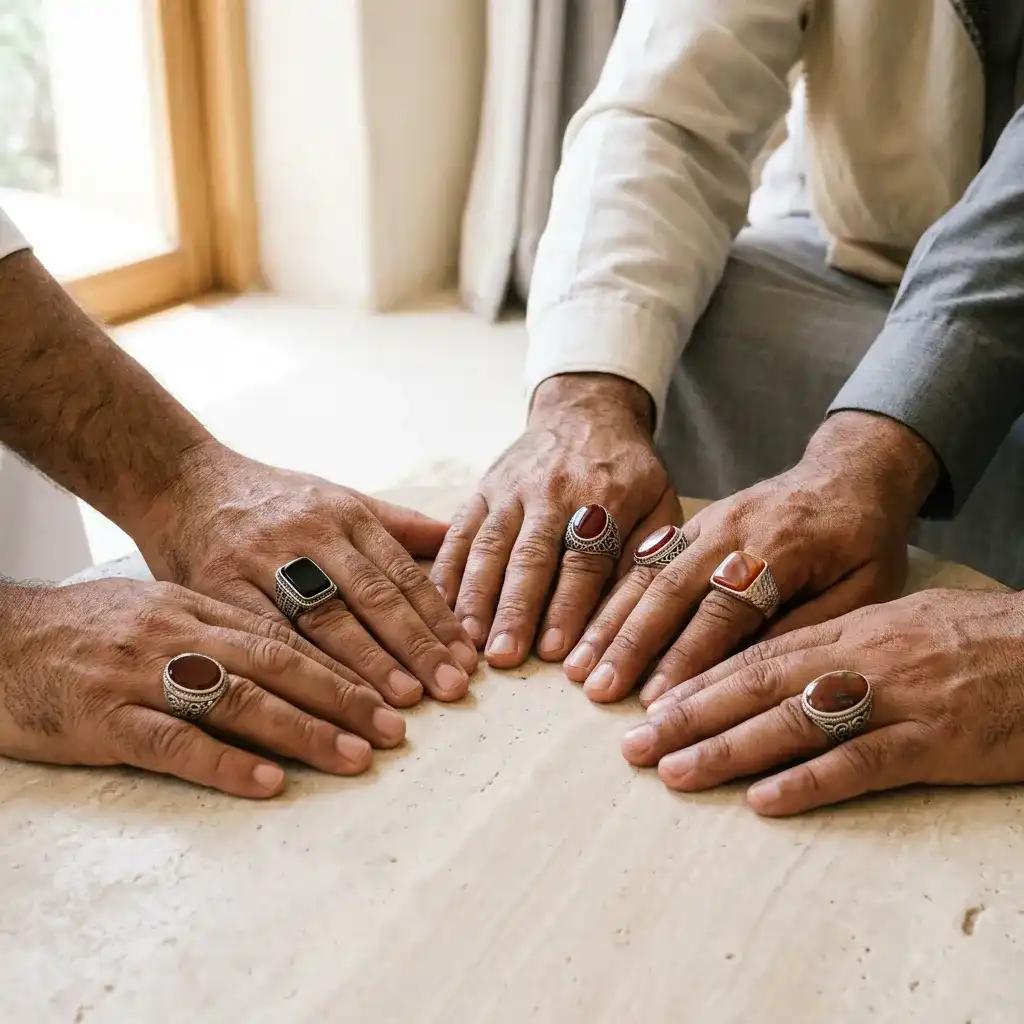
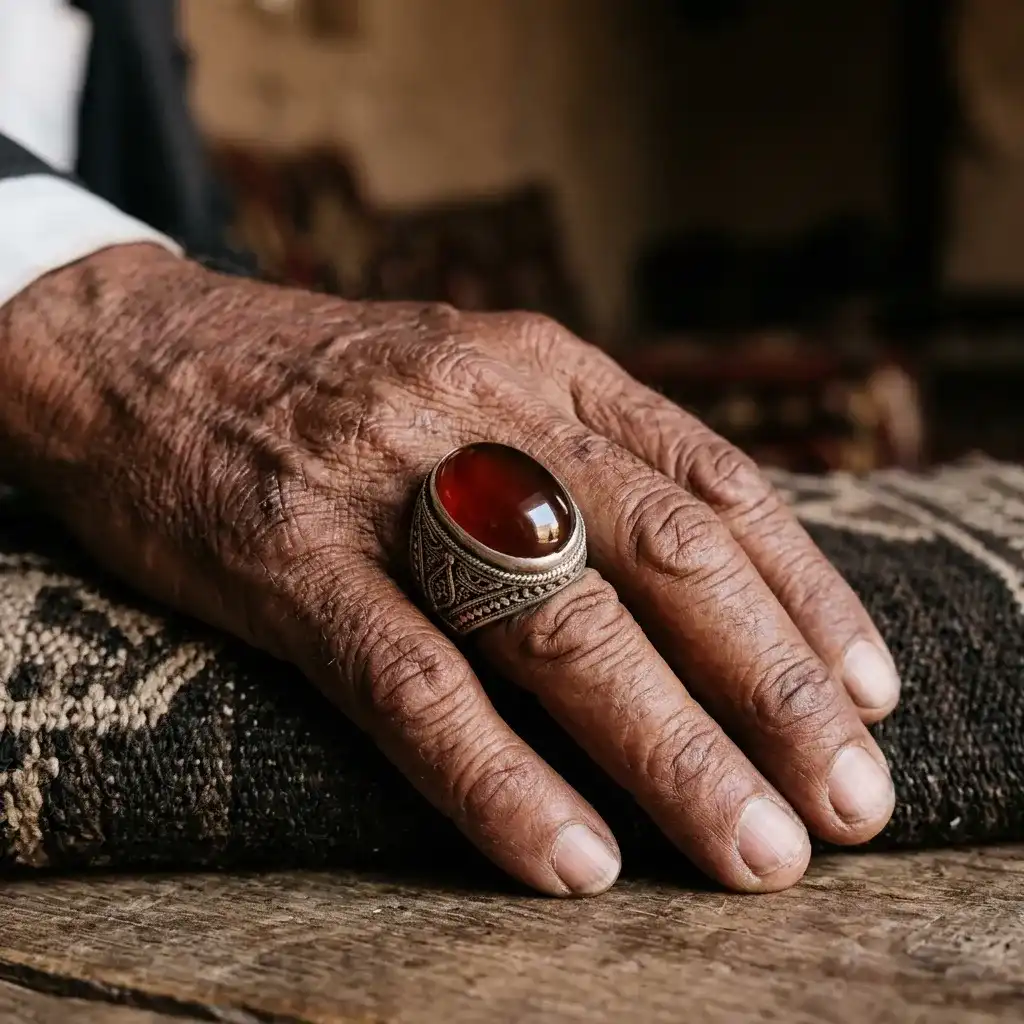
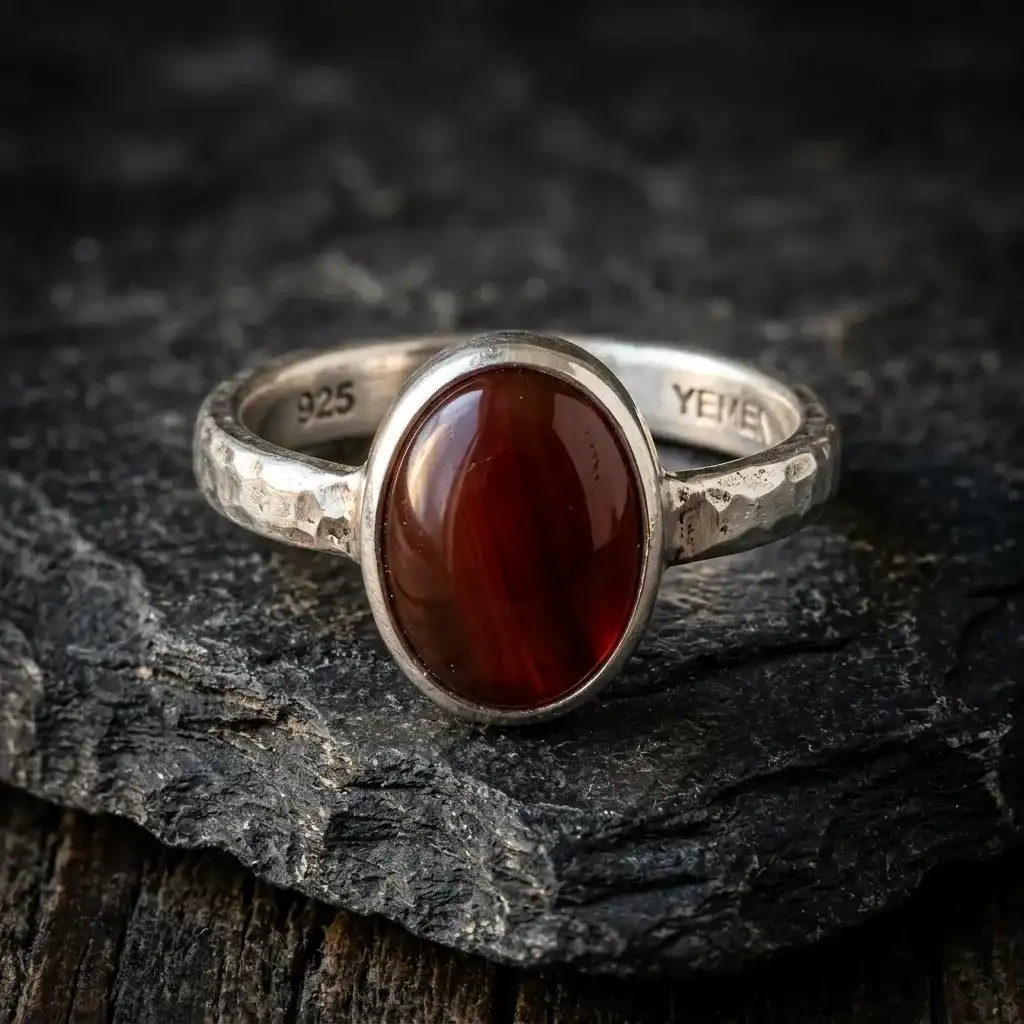
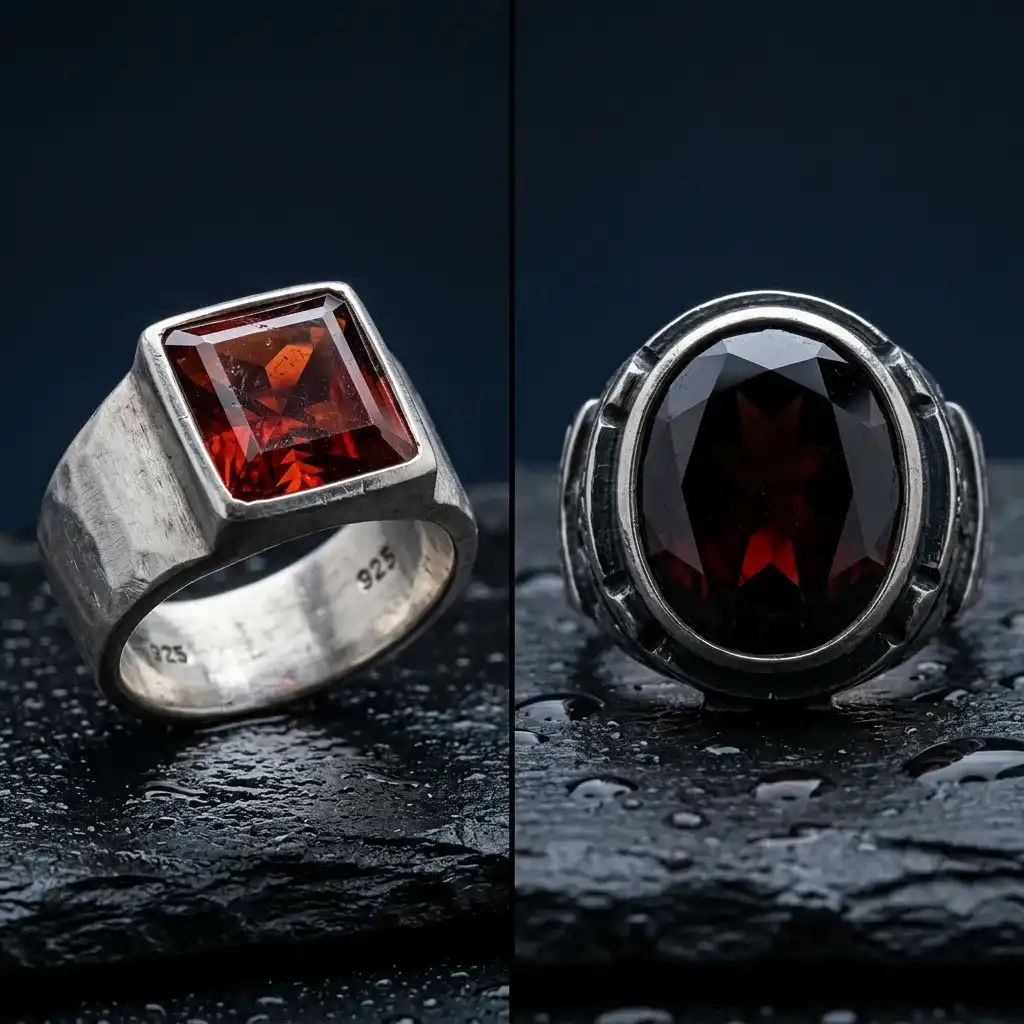
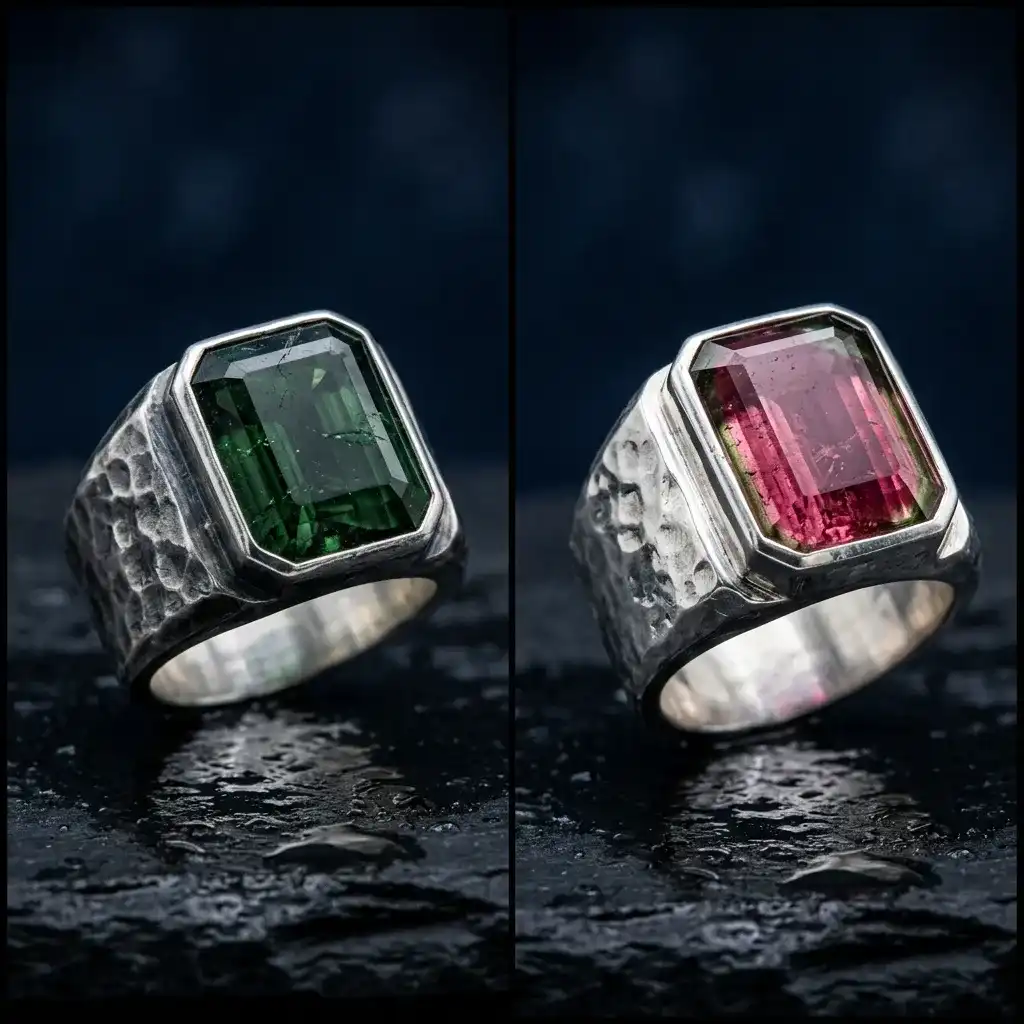
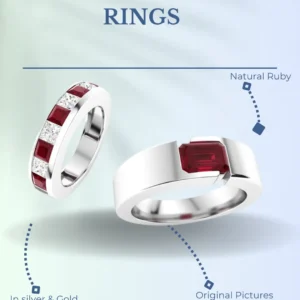
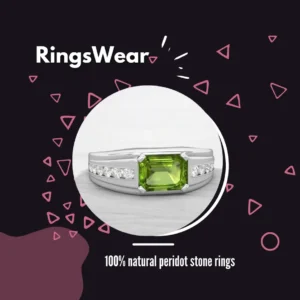
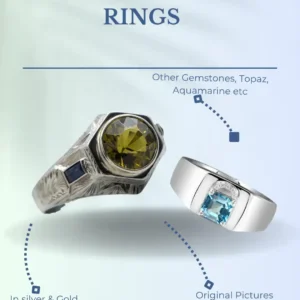
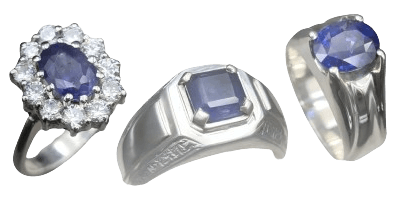
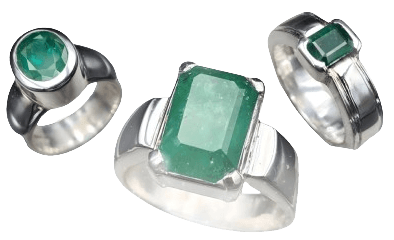
Real gemstone rings in 925 silver are one of the smartest purchases a man can make, and most of the confusion around them comes down to two questions people ask before they buy. Is 925 silver actually real silver? And can a genuine natural stone really be set in it? The answer to both is yes, and here is everything worth understanding before you spend your money.
What 925 silver actually means
925 refers to the purity of the metal. A ring stamped 925 contains 92.5 percent pure silver and 7.5 percent other metals, usually copper. That small addition is what makes the ring hard enough to wear daily and hold a stone securely. Pure silver at 100 percent is actually too soft to work with properly, so 925 sterling is the jeweler’s standard.
The stamp is a legal hallmark in most countries and means the metal has been tested. A ring without any stamp is the one to question, not a ring stamped 925. So the short answer to “is 925 silver real silver?” is yes, it is the standard that professional jewelers work with. You can read more about silver purity standards at Britannica’s guide to sterling silver.
Can 925 silver hold real gemstones
Yes, and it always has. The idea that real gemstones only belong in gold is a marketing myth, not a jewelry fact. Silversmiths have set rubies, sapphires, emeralds, and every other precious stone in sterling silver for centuries. The setting technique, not the metal, is what holds a stone securely.
Real gemstone rings in 925 silver are not a compromise. They are a category in their own right, and for natural stones like aqeeq, turquoise, and lapis lazuli, silver is actually the traditional and culturally correct choice.
Why silver is the right metal for gemstone rings
Silver is workable in a way that lets a jeweler build detailed settings around a stone without the mechanical equipment that gold requires. That means more intricate handmade work, more character in the finished piece, and a lower price that has nothing to do with quality.
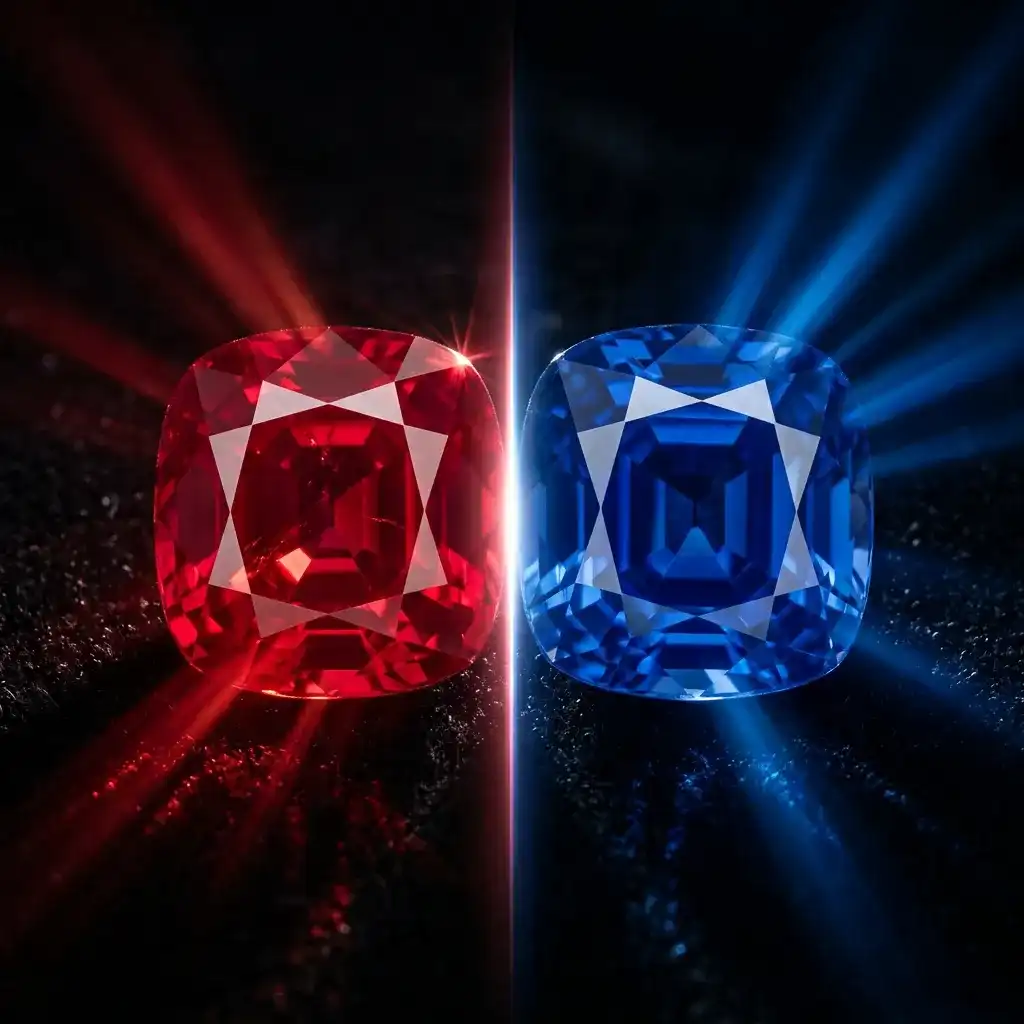
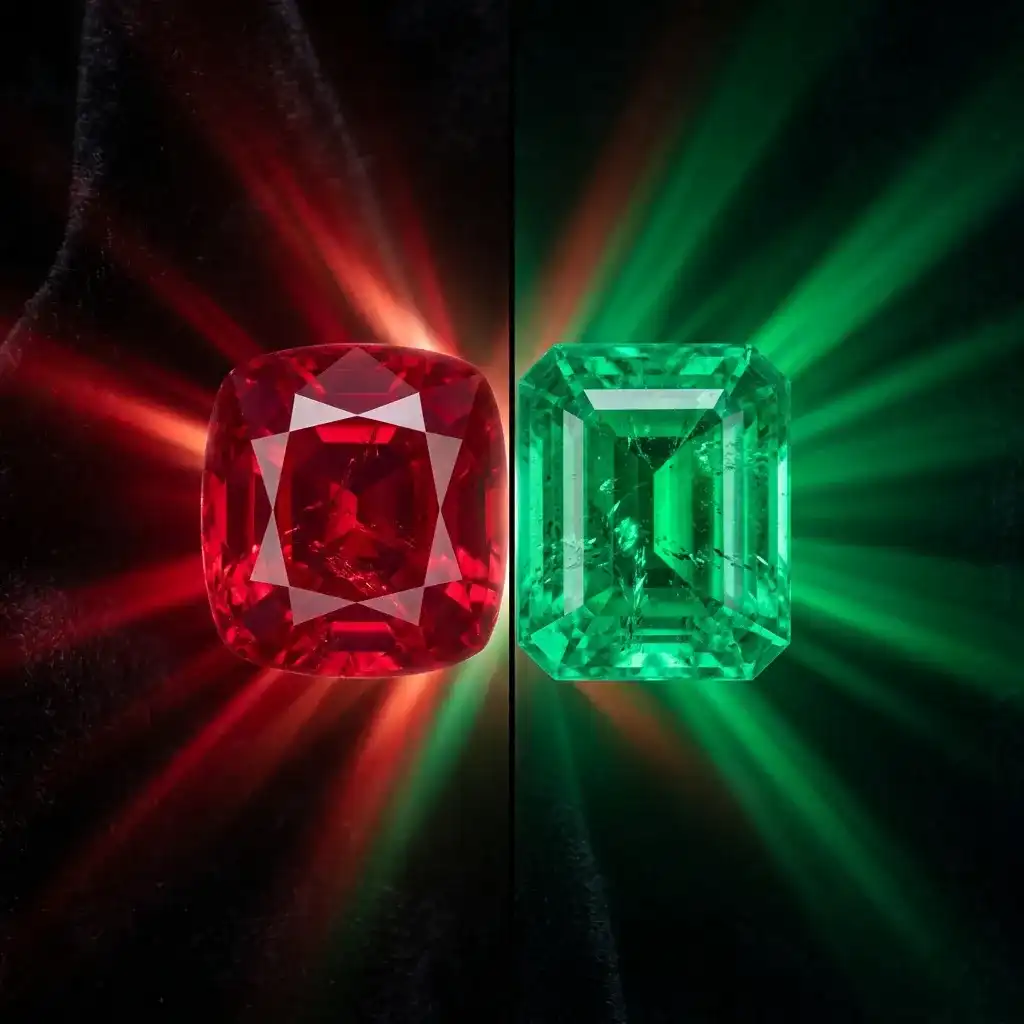
It also pairs well with virtually every gemstone color. Deep red ruby, rich blue sapphire, vivid green emerald, and warm reddish brown aqeeq all read better against silver than they do against yellow gold, because silver does not compete with the stone for attention.
| Feature |
925 Sterling Silver |
Yellow Gold |
| Real metal |
Yes |
Yes |
| Holds real gemstones |
Yes |
Yes |
| Suits men’s rings |
Excellent |
Good |
| Price for same stone |
Lower |
Higher |
| Traditional for Islamic rings |
Yes |
Not permitted for men |
Which gemstones work best in silver
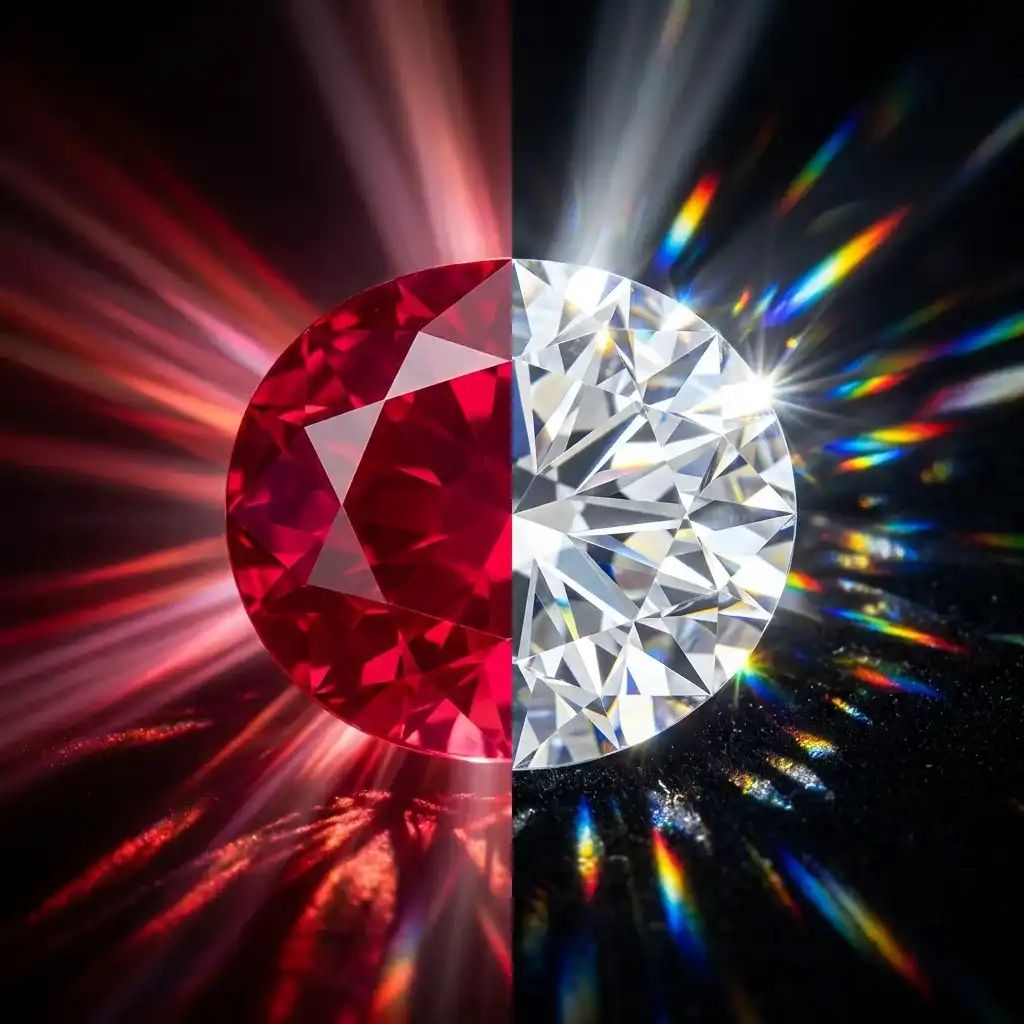
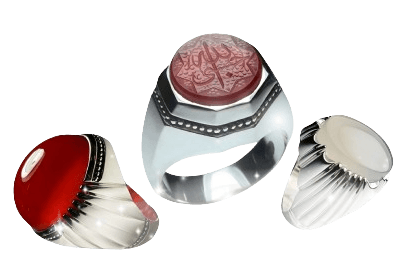
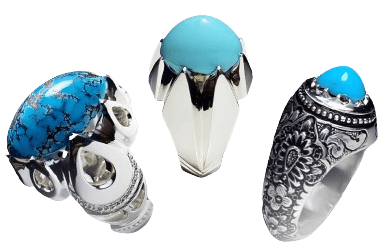
The honest answer is most of them. Ruby, sapphire, and emerald are the three classic colored stones and all three are set in silver regularly. Natural aqeeq and turquoise have been worn in silver for centuries across the Islamic world. Garnet, topaz, peridot, lapis lazuli, and red coral all work well too.
The only consideration is stone hardness. Softer stones need a setting that protects the edges, which is something a skilled silversmith accounts for when building the piece. A well-made bezel or prong setting in 925 silver holds any stone securely for daily wear.
How to spot a fake stone in a silver ring
The stone is where most buyers get misled, not the metal. A genuine 925 stamp on the band tells you the silver is real, but it says nothing about the stone inside it. Sellers put glass, synthetic stones, and dyed material into hallmarked silver rings constantly.
Look for natural inclusions inside the stone under light. A flawless stone at a low price is almost always synthetic or glass. Real stones stay cool to the touch for a moment when you pick them up, feel heavy for their size, and show slight variation in color as you turn them. A seller who will not state plainly that the stone is completely natural, not synthetic, not dyed, and not treated in any form, is telling you something without saying it.
What real gemstone rings in 925 silver actually cost
Real gemstone rings in 925 silver are far more affordable than most buyers expect. The stone determines most of the price, and silver as a metal costs a fraction of gold, so the same natural ruby or sapphire that would run very high in a gold setting becomes genuinely accessible in silver. That is not a compromise. The stone is identical. You are simply paying less for the metal holding it.
What drives cost up is stone quality, carat weight, and the complexity of the setting. A heavy handmade band with detailed engraving costs more than a plain one, which is how it should be.
What to look for when buying
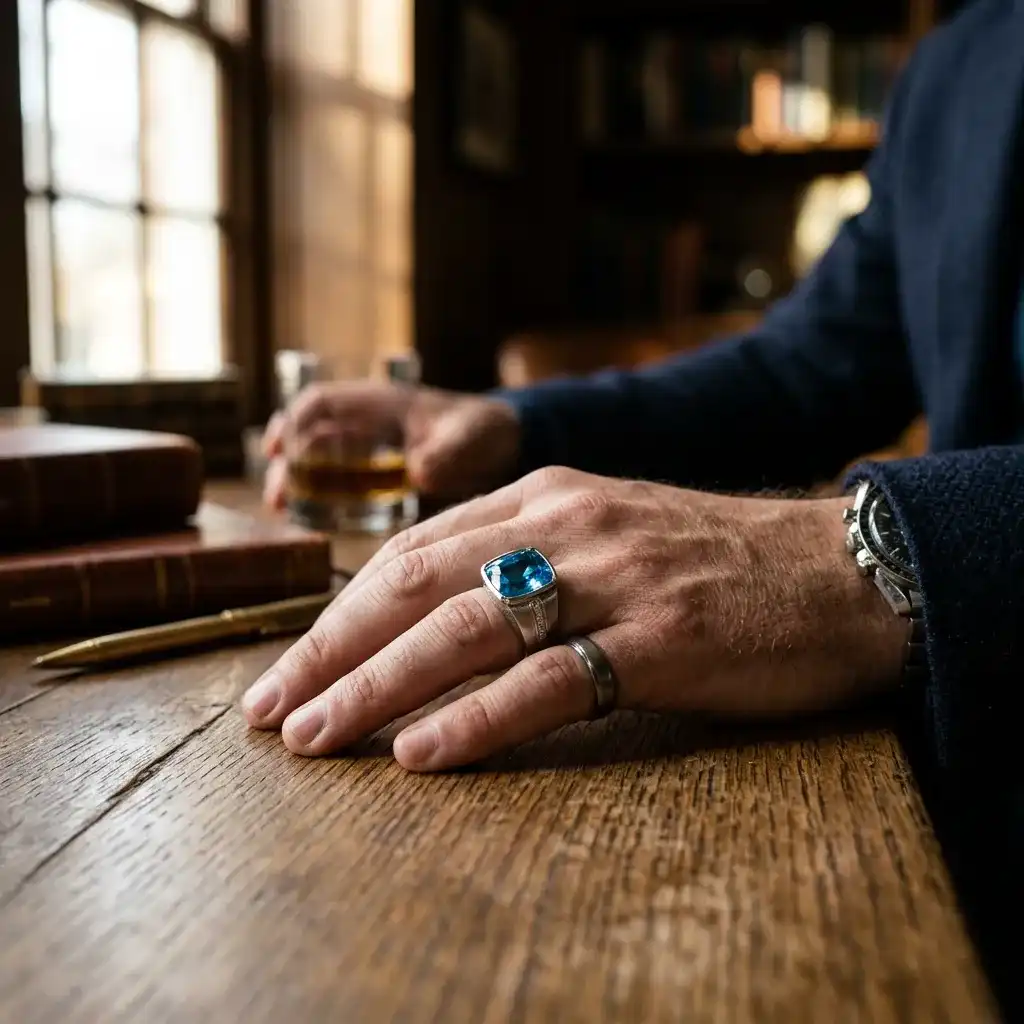
Check for the 925 stamp on the band. Ask the seller whether the stone is natural and untreated, and expect a straight answer. Look for a seller who photographs their rings well enough that you can see the stone clearly, and who offers resizing, since a ring that does not fit is one you will not wear.
Every ring in our collections is made in solid 925 sterling silver with completely natural stones. Not synthetic, not dyed, and not treated in any form. Start with our natural ruby rings collection, explore our sapphire rings for men, or browse the full range of Yemeni aqeeq rings in sterling silver.
Frequently Asked Questions
Is 925 silver real or fake?
925 silver is completely real. It is 92.5 percent pure silver, the standard used by professional jewelers worldwide. A ring stamped 925 is genuine sterling silver.
Can a 925 silver ring have real gemstones in it?
Yes. Sterling silver has been used to set real gemstones for centuries. The metal is completely suited to holding ruby, sapphire, emerald, aqeeq, and every other natural stone securely.
Why is 925 silver cheaper than gold?
Silver is a less rare metal than gold, so it costs less by weight. That has nothing to do with quality. A natural ruby set in silver is the same stone as one set in gold, just at a lower overall price.
How do I know if the gemstone in my silver ring is real?
Look for natural inclusions inside the stone, check that it stays cool to the touch, and ask the seller directly whether it has been treated. A genuine seller will tell you plainly that the stone is completely natural, not synthetic, not dyed, and not treated in any form.
Where can I find real gemstone rings in 925 silver?
Buy from a specialist who clearly states that their stones are natural and untreated, shows detailed photos, and offers resizing. Avoid sellers who cannot or will not answer a direct question about the stone.
Are silver rings 100 percent silver?
No, and they should not be. Pure silver is too soft for a wearable ring. 925 sterling silver is 92.5 percent silver with a small addition of copper for strength, which is the correct standard for jewelry.