What is the best stone to wear in Islam? Many Muslim men ask this before buying their first gemstone ring. The short answer is that there is no single required stone, but aqeeq has the strongest place in the narrations, followed by stones like feroza, yaqoot and dur e najaf in Shia tradition. This guide explains each one, what the sources say, and how to choose a ring that follows the basic rules for men. We share religious points as the sources state them and leave rulings to qualified scholars.
Table of Contents
No stone is obligatory in Islam. What the authentic narrations do describe is the Prophet’s own ring: it was made of silver, and one report describes its stone as Abyssinian. You can read that report in Sahih Muslim on sunnah.com. Wearing a silver ring is therefore widely seen as Sunnah for men, while the choice of stone is more open.
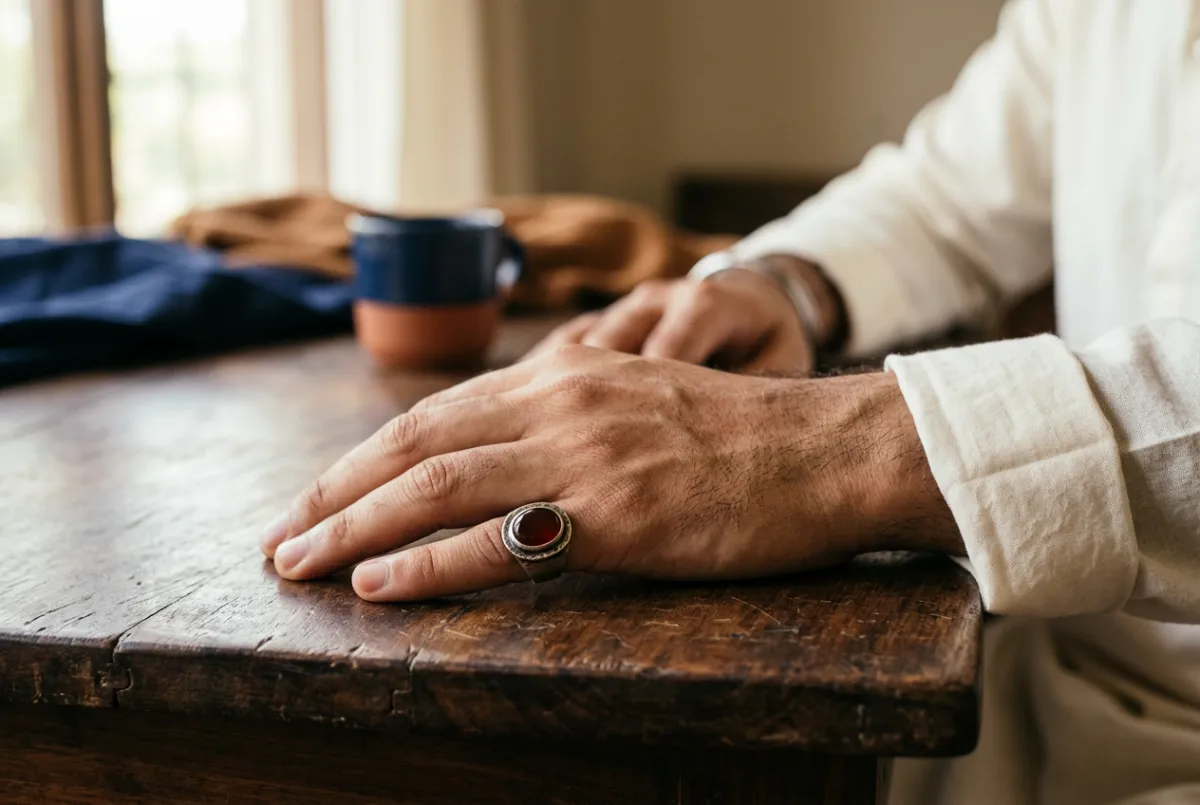
When people ask for the best stone to wear in Islam, they usually mean aqeeq. It is the stone most often linked to the Prophet and the Ahl al Bayt in later narrations, and it remains the most popular Islamic stone ring for men worldwide.
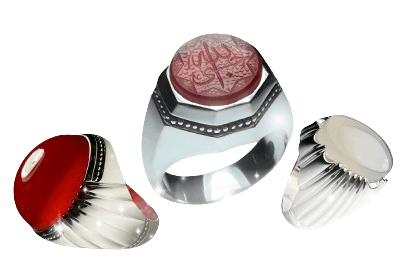
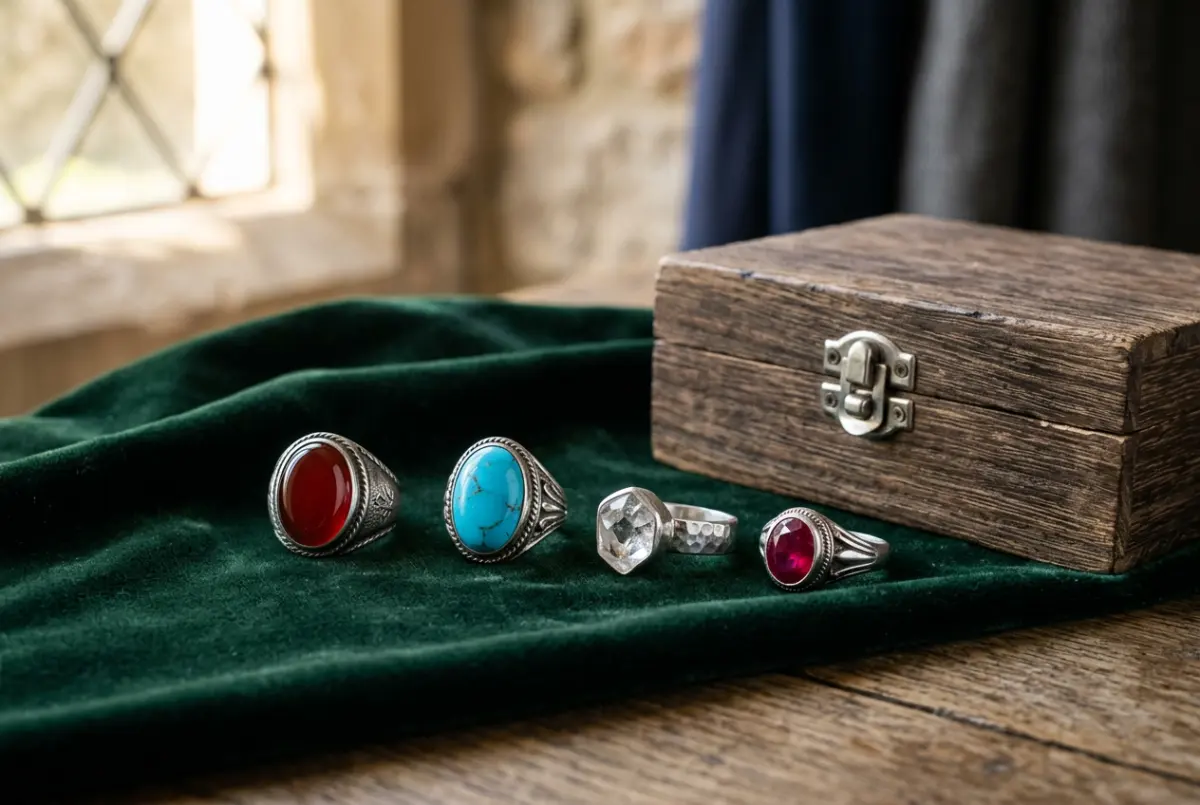
Aqeeq is the classic choice. Narrations praising the aqeeq ring are found in both Sunni and Shia books. In the Sunni tradition most of these reports are graded weak, while in the Shia tradition they carry more weight. Yemeni aqeeq in red, brown and black is the most sought after. Our guide on whether the aqeeq ring is Sunnah covers the narrations in detail.
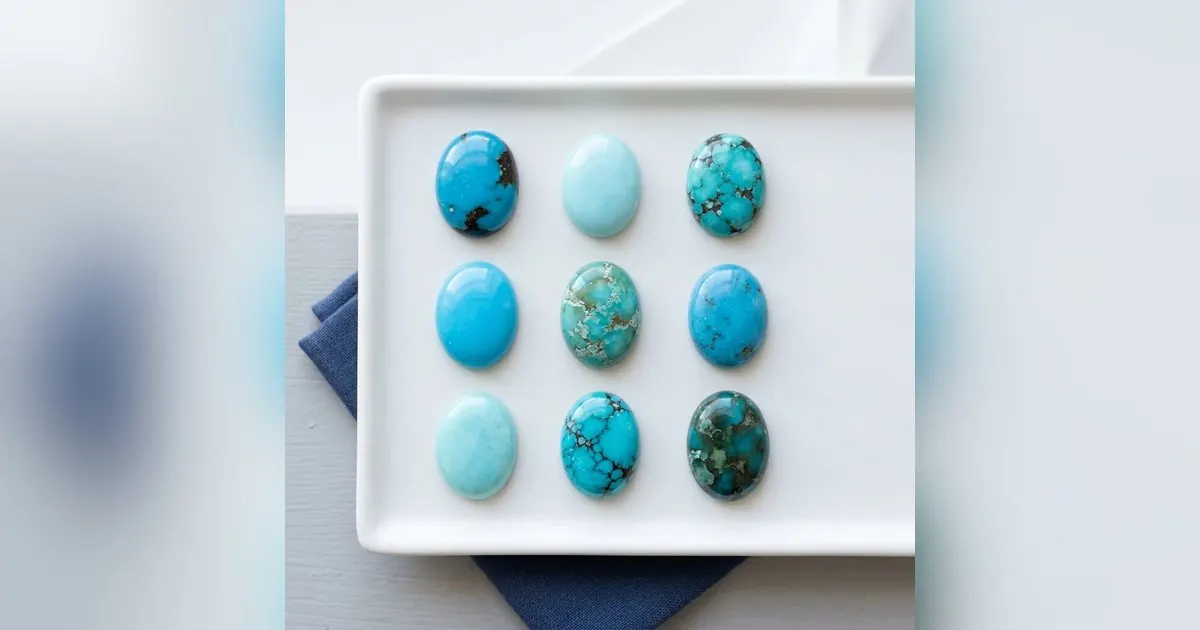
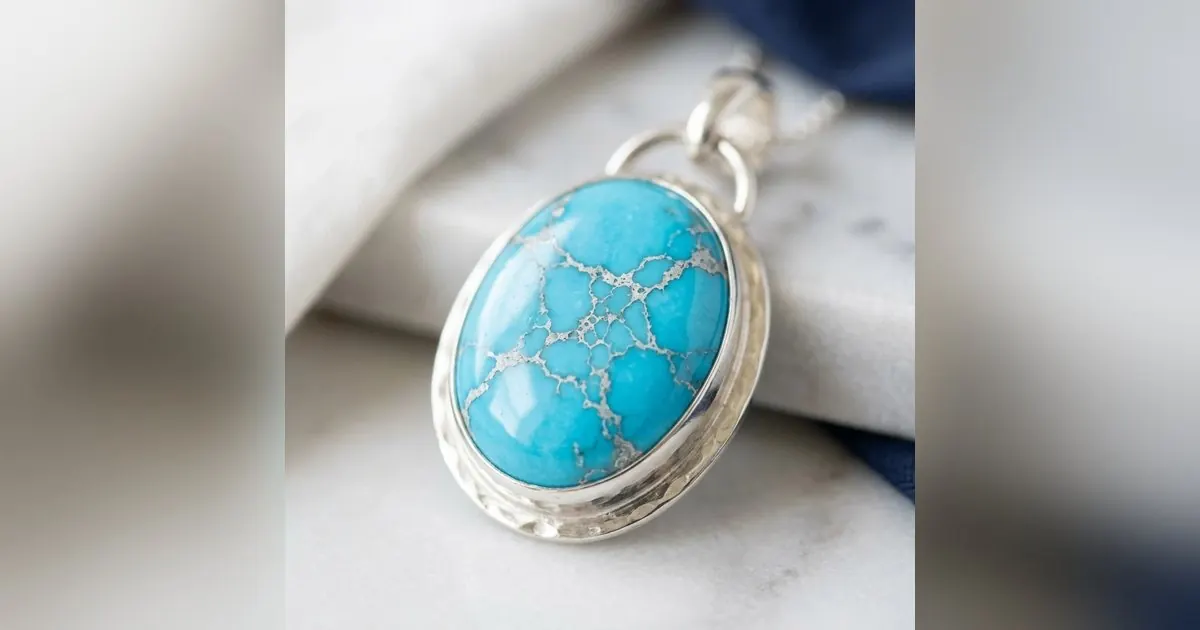
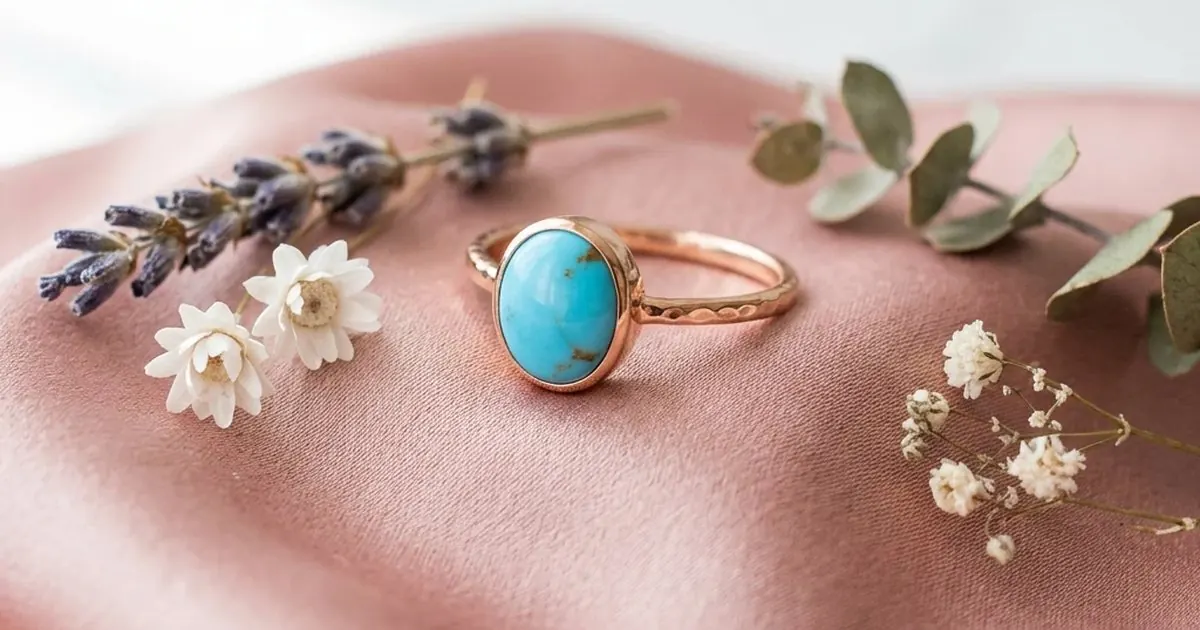
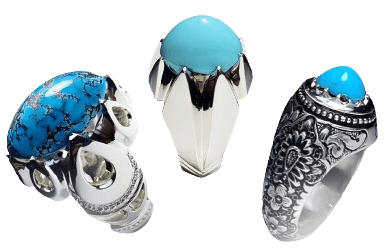
Feroza is valued in Persian and Shia tradition, where it is linked to blessing and protection. Iranian turquoise from Neyshabur is the most famous. It is one of the most worn stones after aqeeq.
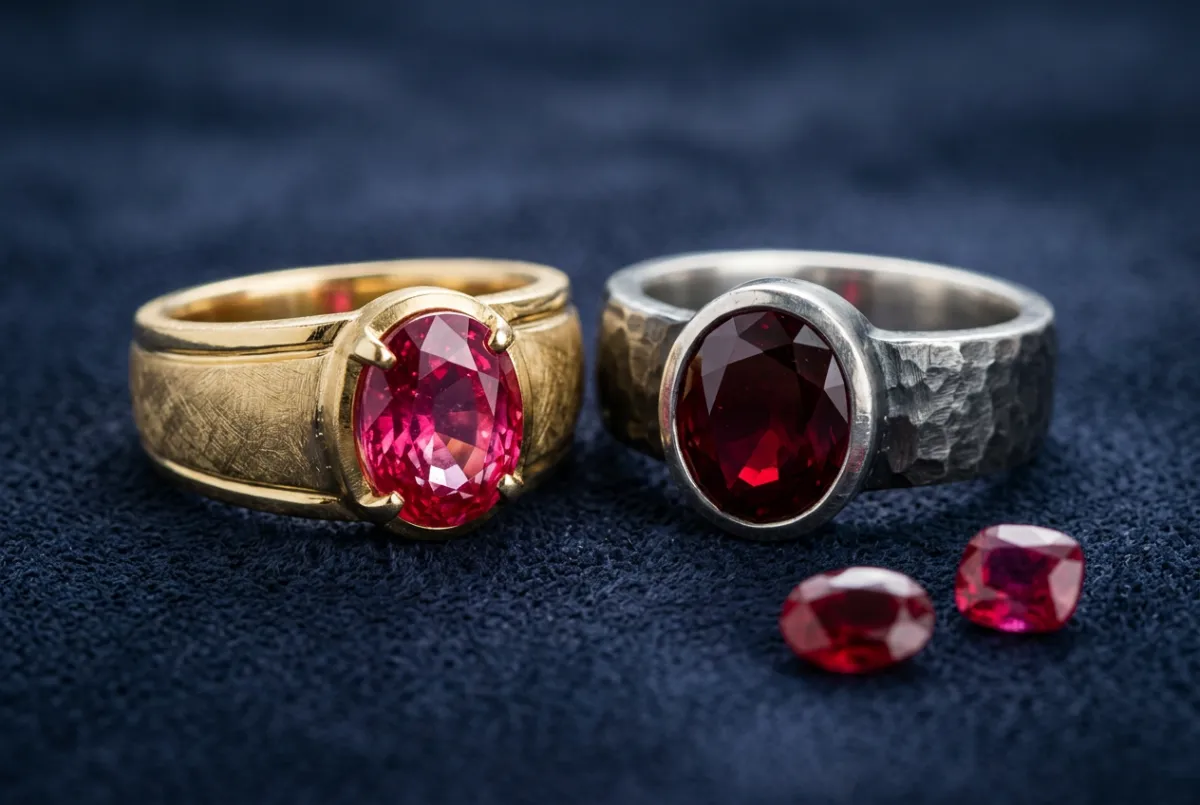
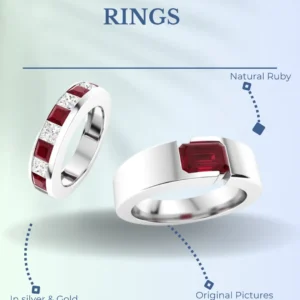
Yaqoot, the Arabic and Urdu name for ruby, appears in Islamic literature as a stone of high value. Men who want a richer red often choose a ruby set in silver.
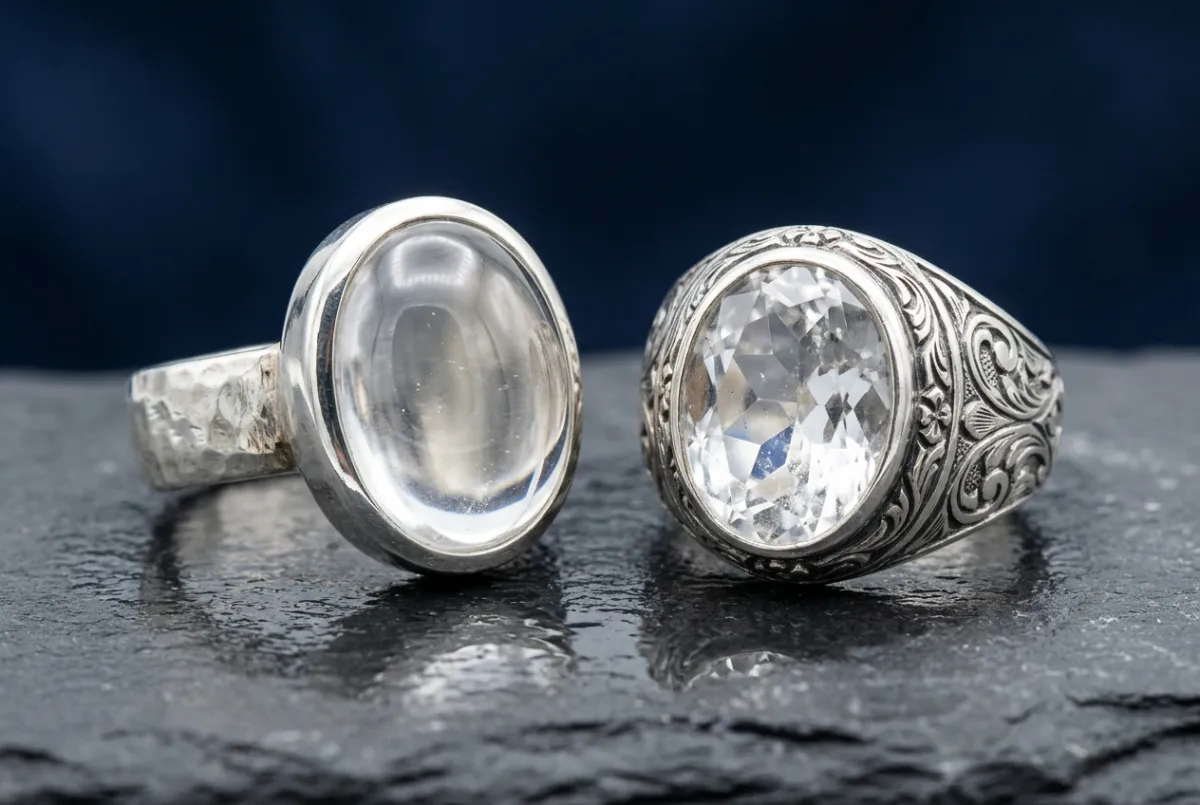
Dur e Najaf is a clear quartz associated with Najaf in Iraq. It is especially loved in Shia tradition, where it is often worn alongside an aqeeq ring.
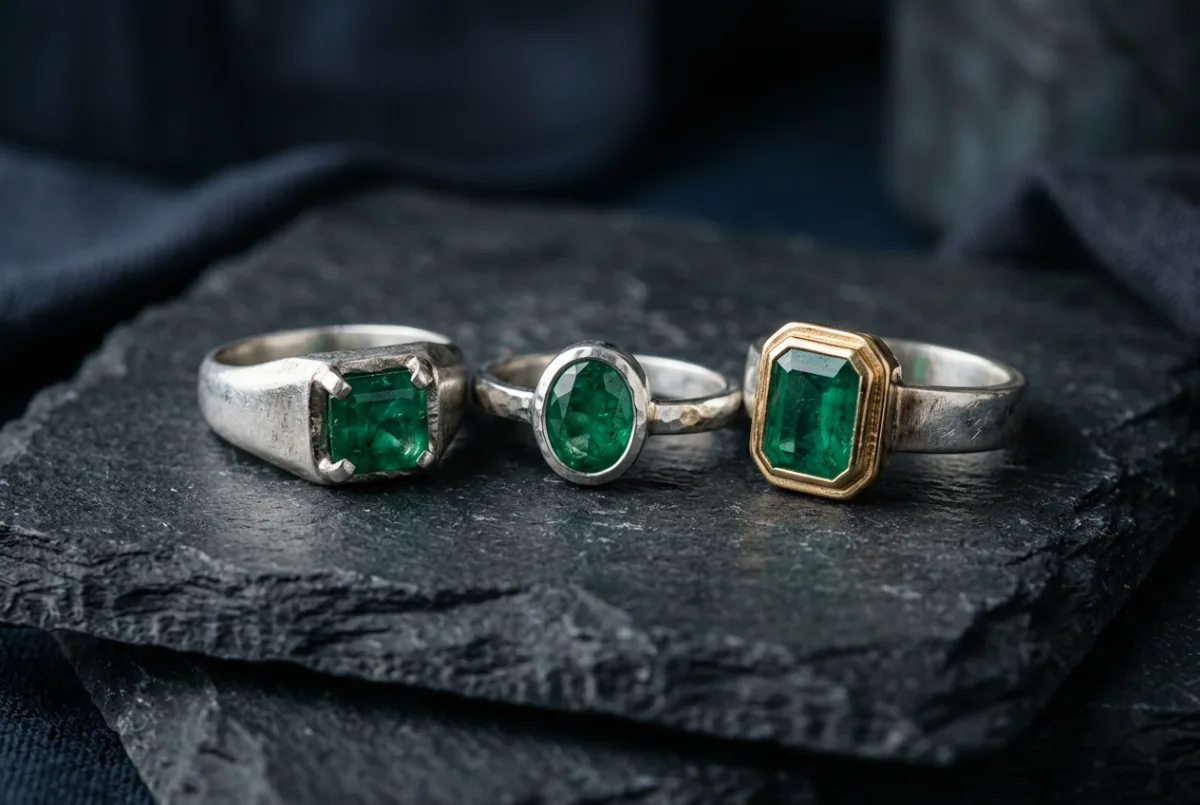
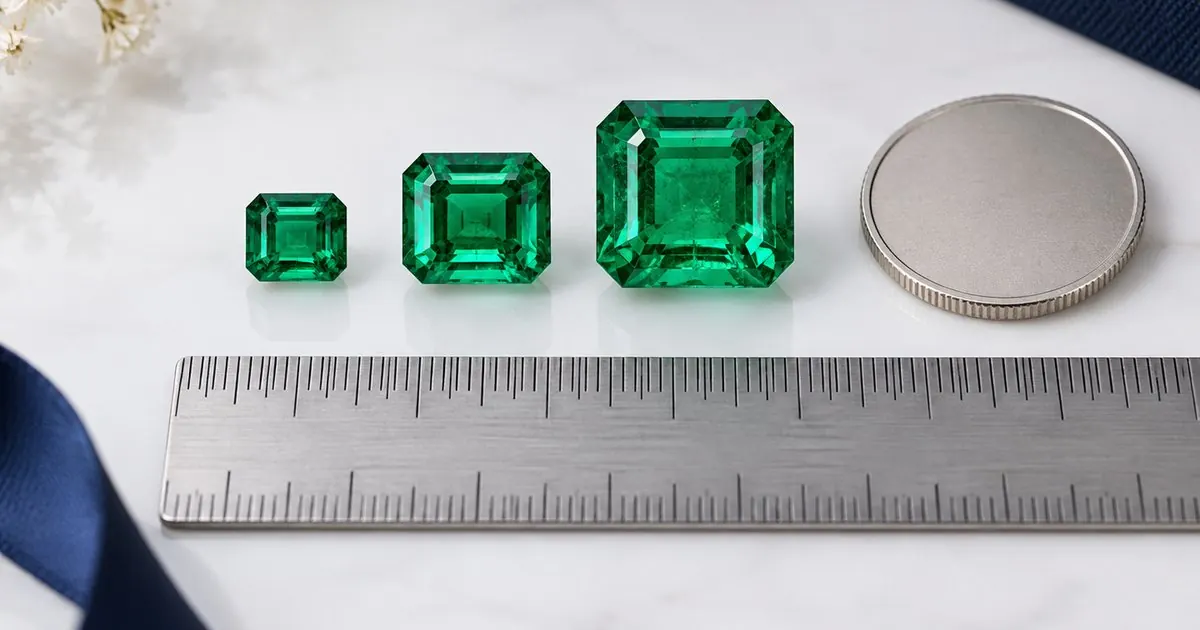
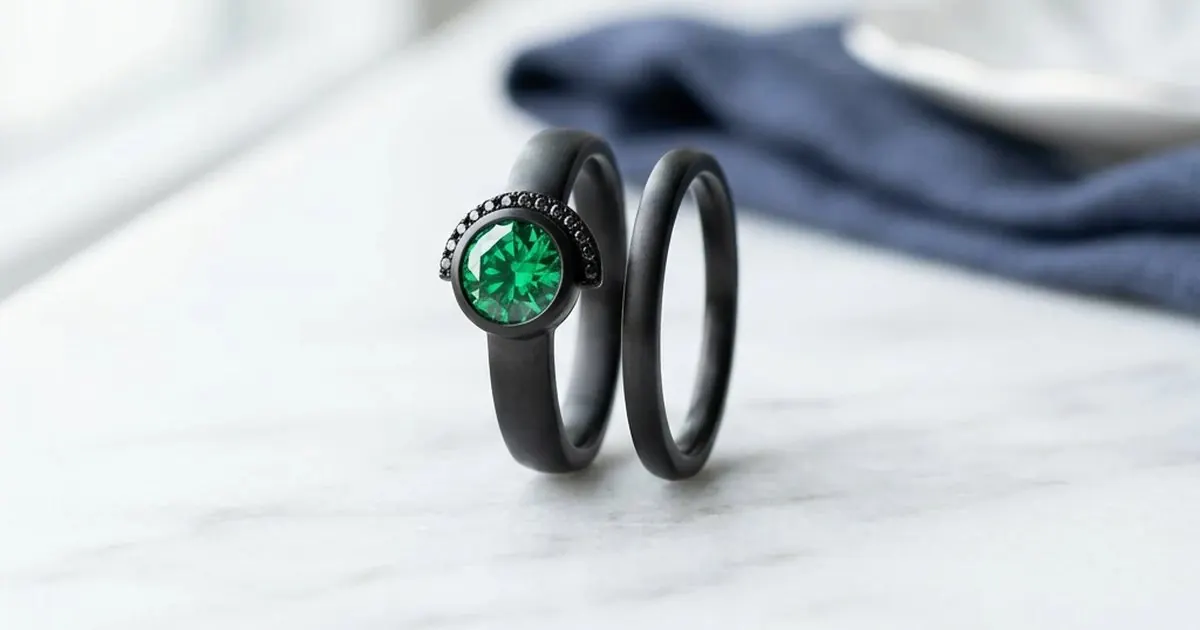
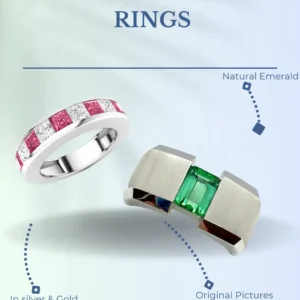
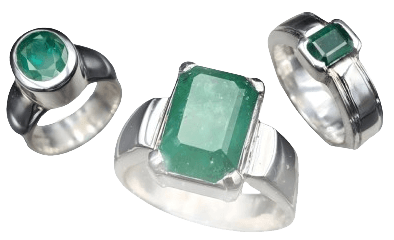
Emerald is mentioned in some traditions as a stone of good fortune. Its green colour also makes it a popular choice in Islamic jewellery.
Some men also wear stones like hadeed cheeni (hematite) or shurf. These are less common and mostly follow regional custom rather than a clear text.
| Question | Short Answer |
|---|---|
| Most recommended stone | Aqeeq, especially Yemeni aqeeq |
| Metal for men | 925 sterling silver, never gold |
| Finger | Little finger or ring finger |
| Hand | Right or left, both are reported |
| Is any stone obligatory? | No, the stone is a personal choice |
| Popular in Shia tradition | Aqeeq, feroza, dur e najaf, yaqoot |
Whatever stone you choose, a few points apply to every Islamic stone ring for men.
Silver, not gold. Gold rings are not permitted for men in Islam, so the ring should be silver. 925 sterling silver is the usual choice.
Moderate size. Many scholars advise against a heavy ring worn for show. A silver ring of moderate weight is the common practice.
The right finger. The little finger has the strongest support in the narrations, and the ring finger is widely accepted. Our guide on which stone the Prophet Muhammad wore explains the reports about his ring.
Aqeeq comes in many colours, and each has its own following. Deep red and liver red Yemeni aqeeq is the most traditional and the most sought after. Brown and honey shades are popular for everyday rings, while black aqeeq gives a strong, formal look. White and yellow aqeeq are rarer and often chosen by men who want something different.
Engraved aqeeq is also common. Names of the Ahl al Bayt, short duas or the words Ya Ali are carved into the stone, and many men treat these rings with special care. If you choose an engraved stone, keep it clean and remove it before entering the washroom, as many people do out of respect.
Colour is a personal choice. Whether you pick red, brown or black, the best stone to wear in Islam is still a natural one set in silver, worn with the right intention.
Start with what matters to you. If you want to follow the most widely followed practice, choose aqeeq. If you follow Shia tradition, aqeeq and dur e najaf are often worn together, one on each hand.
Then look at quality. A natural stone matters far more than size. Check that the stone is not dyed glass or plastic, and buy from a seller who states clearly that the stone is natural. If you are drawn to clear stones, our guide to the dur e najaf ring is a good next read.
Finally, keep it simple. The best stone to wear in Islam is the one you wear with the right intention, in silver, on the right finger.
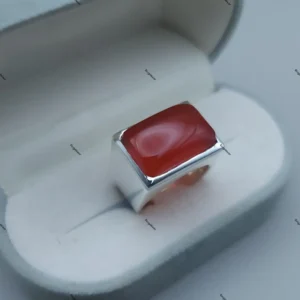 Natural Agate Stone Ring for Men Red Aqeeq in 925 Silver
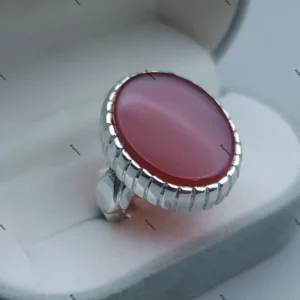 Red Agate Ring for Men Natural Aqeeq in 925 Sterling Silver
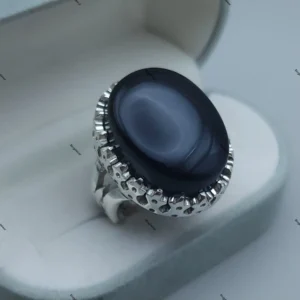 Black Agate Stone Ring for Men Natural Aqeeq in 925 Silver
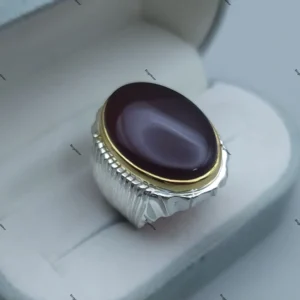 Brown Hakik Stone Ring for Men Two Tone 925 Silver
Aqeeq is the most widely recommended, and it is linked to the Prophet and the Ahl al Bayt in many narrations. No stone is obligatory, so the choice is yours.
Wearing a silver ring is Sunnah for men. Aqeeq is the stone most often called Sunnah, though Sunni scholars grade most aqeeq narrations as weak.
No. Gold rings are not permitted for men in Islam, so an Islamic stone ring for men should be silver.
Yes. Many men in Shia tradition wear aqeeq on one hand and dur e najaf or feroza on the other.
Both the right and the left hand are reported in authentic hadith. The right hand is more common in Shia practice.