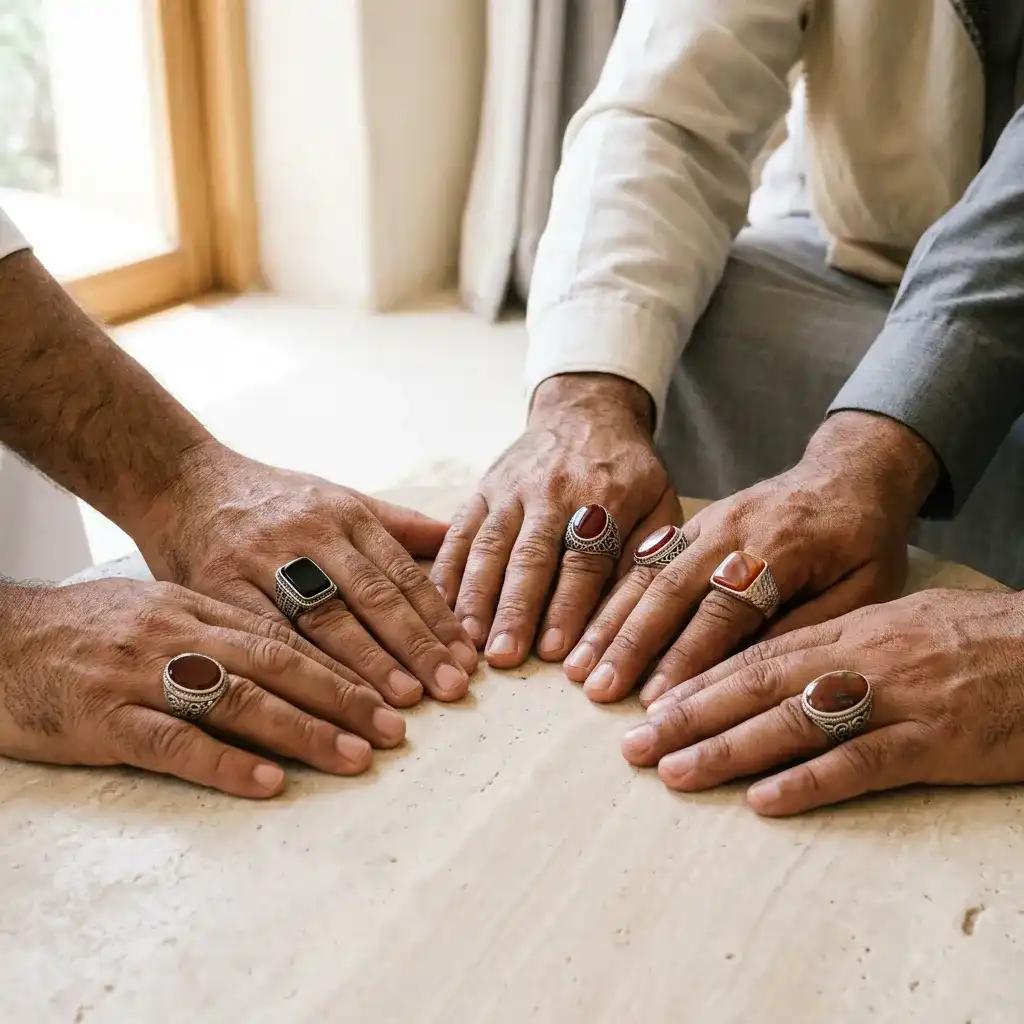
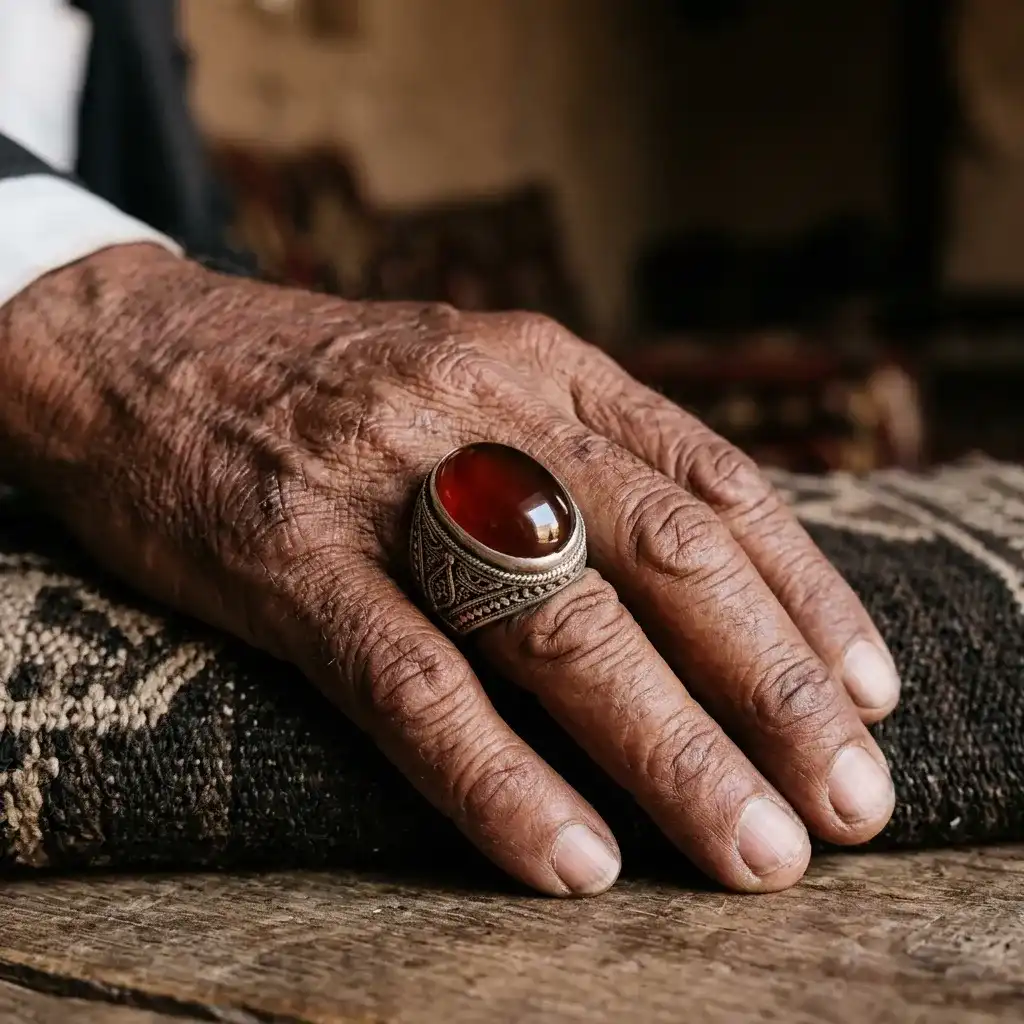
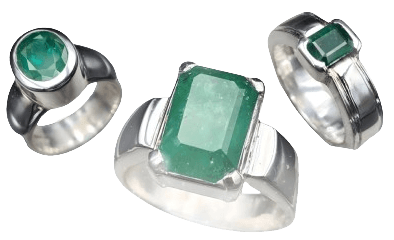
Why do shias wear aqeeq rings? Walk into any gathering in Iran, Iraq, Pakistan or Lebanon and you will see the same thing on the hands of the men, a silver ring with a deep red or brown stone, worn every day and often for decades. It is one of the most recognizable pieces of religious jewelry in the world, and there are real reasons behind the practice.
Why the practice is so widespread
The short answer is that in the Shia tradition, the narrations concerning aqeeq are given considerable weight. Reports attributed to the Prophet and to the Imams describe the wearing of aqeeq in strongly positive terms, and those reports are transmitted through chains that this tradition holds in high regard.
That is the key difference. The same narrations exist in wider Islamic literature, but they are assessed more critically elsewhere. In the Shia tradition they sit closer to the center of practice. That is the simplest answer to why do shias wear aqeeq rings so consistently and across generations rather than treating them as optional decoration.
The narrations behind it
The reports speak of the aqeeq stone in connection with protection, with the strengthening of faith, and with blessing in the hand that wears it. Some describe the Imams themselves wearing rings set with aqeeq, which is why the practice is understood as following their example rather than as a cultural habit that grew on its own.
It is worth reading the narrations concerning rings directly rather than relying on secondhand summaries. You can find the reports on Sunnah.com and assess the wording for yourself.
One point of honesty is worth making here. These narrations describe blessing and protection in a spiritual sense. They are not claims that a stone produces guaranteed outcomes in the world. When people ask why do shias wear aqeeq rings, the answer is devotion and tradition, not a promise of results, and a seller marketing the stone as a device that delivers specific outcomes is going well beyond what the tradition says.
Which colors are worn and what they mean
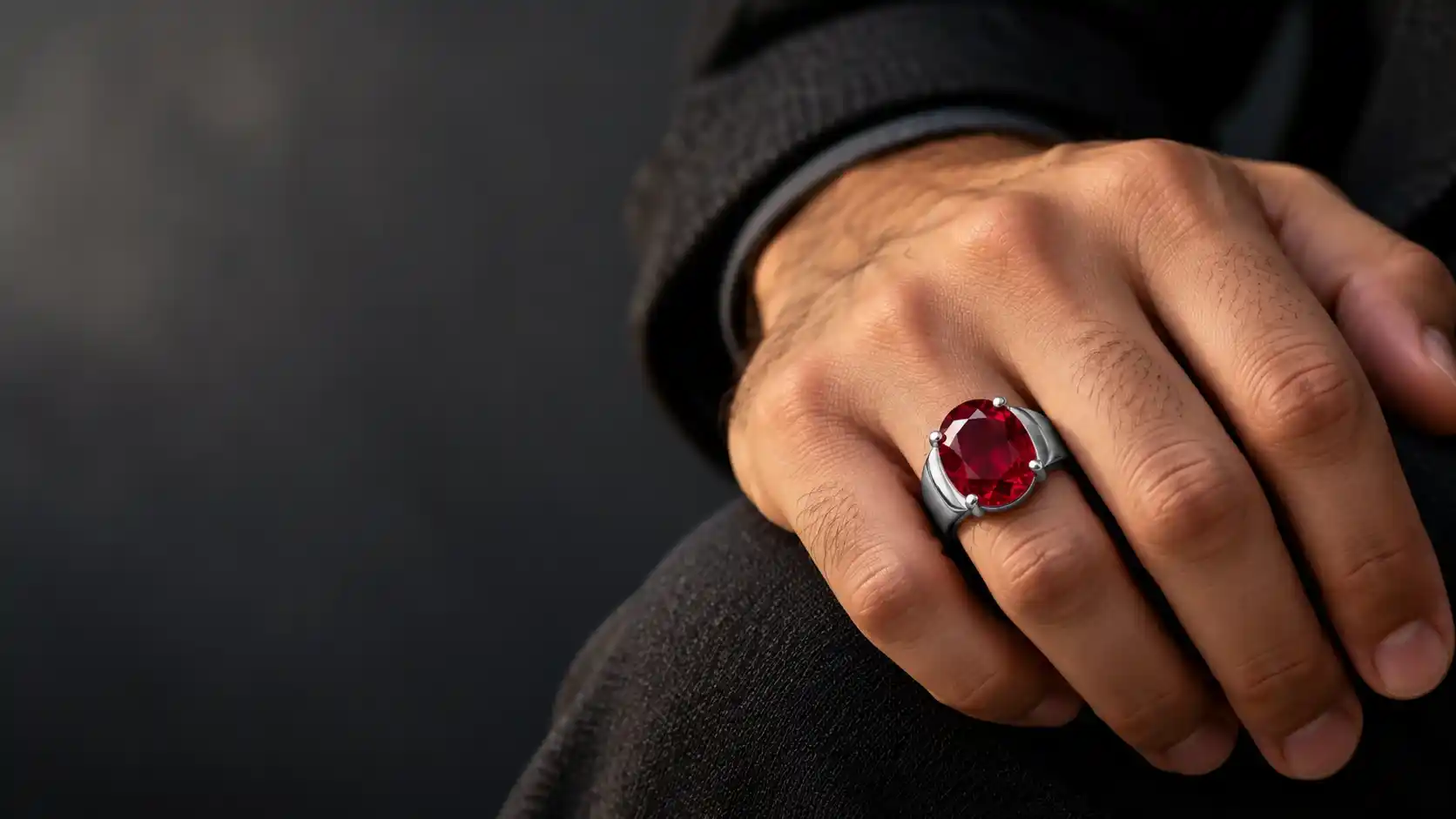
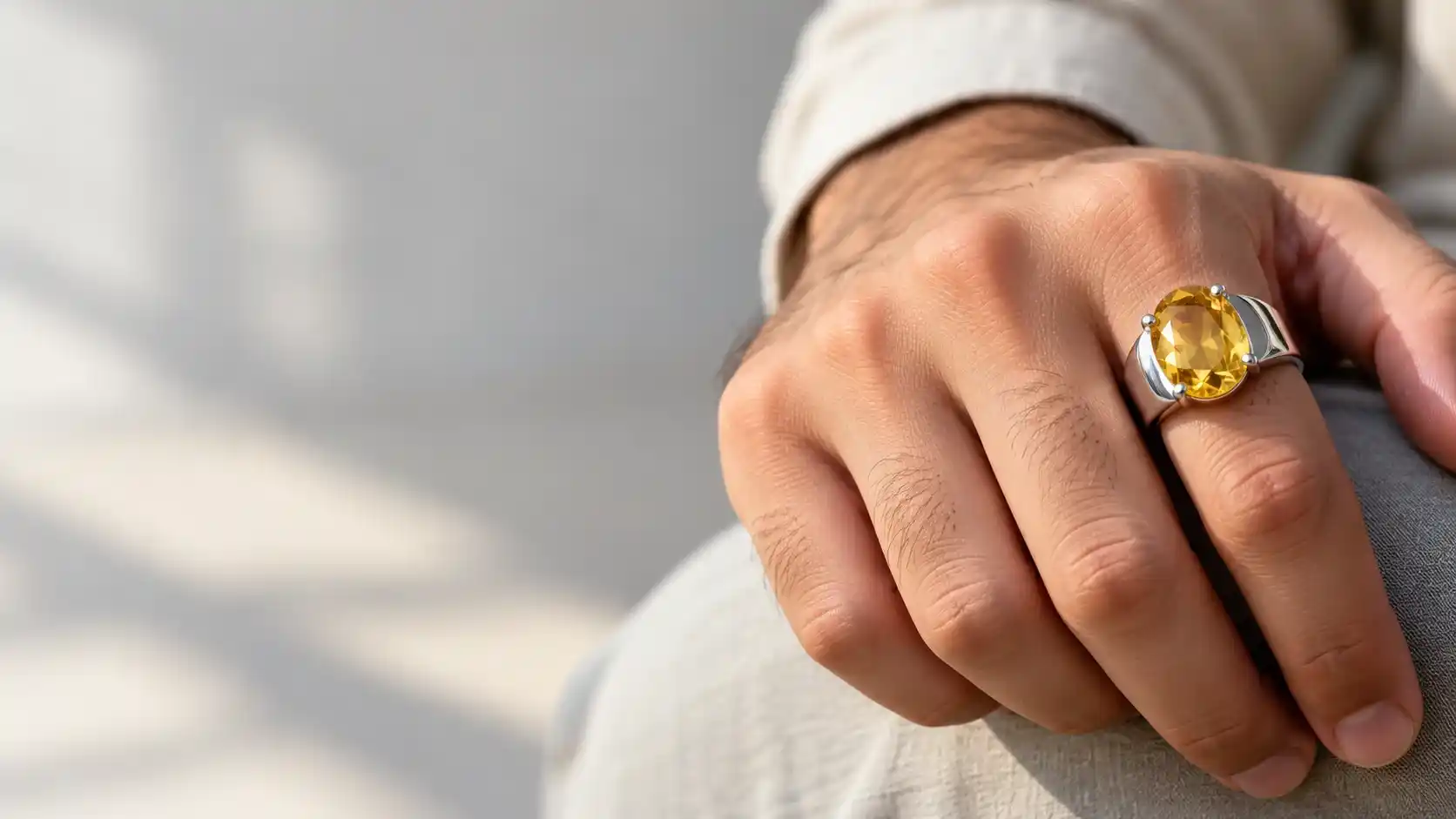
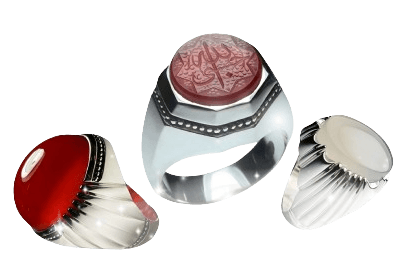
Red and deep reddish brown are the most common, and Yemeni aqeeq in particular is the most sought after because of its density and depth of color. Black aqeeq is also widely worn, and white and yellow appear less often but are entirely traditional.
There is no single ruling that one color must be worn. Personal preference and regional custom both play a part, though the deep red Yemeni stone carries the strongest association in most communities.
| Color |
How commonly worn |
Typical association |
| Red Yemeni |
Most common |
Protection and blessing |
| Brown Yemeni |
Very common |
Strength and steadiness |
| Black |
Common |
Dignity and restraint |
| White or yellow |
Less common |
Clarity and purity |
The engravings you see on the stone
Many rings carry hand carved Arabic calligraphy cut directly into the face of the stone. These are typically names, short invocations, or phrases of remembrance. The carving is done by hand, which is why no two engraved stones are ever identical.
An engraved stone takes considerable skill to produce, since the carving is cut into a stone hard enough to resist steel. The quality of that engraving is one of the clearest markers of whether a ring came from a real workshop or a factory, and it is part of why do shias wear aqeeq rings that are hand carved rather than machine made.
Which hand and finger it goes on
The right hand is the more common choice, and the little finger is the most cited placement. Some men wear it on the ring finger, and both practices are found.
What is generally avoided is the index and middle finger, based on narrations discouraging those specifically. Beyond that, comfort decides. A ring worn every day for years needs to sit well on the hand.
Choosing a genuine one
This is where most people get caught. The market is full of dyed agate sold as Yemeni, and a treated stone carries none of the meaning the tradition attaches to it. If your reason matches why do shias wear aqeeq rings in the first place, meaning it is religious, then a fake stone defeats the entire purpose.
Look for natural variation in the stone, ask the seller plainly whether it has been treated, and buy silver rather than gold, since gold is prohibited for men. Every stone in our Yemeni aqeeq rings collection is completely natural. Not synthetic, not dyed, and not treated in any form.
For a traditional piece, see our men’s shia aqeeq ring in 925 sterling silver, or for a hand engraved stone, the 12 Imam Yemeni aqeeq ring is carved entirely by hand.
Frequently Asked Questions
Why do shias wear aqeeq rings?
In the Shia tradition the narrations concerning aqeeq are given considerable weight, and reports describe the Imams themselves wearing rings set with the stone. The practice is understood as following their example rather than as custom alone.
What is the significance of an aqeeq ring?
The reports connect the stone with protection, strength of faith, and blessing in the hand that wears it. These meanings are spiritual, not a promise of specific results in the world.
Which color aqeeq do Shias wear?
Deep red and reddish brown Yemeni aqeeq are the most common, and black is also widely worn. White and yellow appear less often but are entirely traditional. No single color is required.
Which finger do Shias wear the aqeeq ring on?
The right hand is the more common choice and the little finger is the most cited placement. The index and middle finger are generally avoided.
What is written on engraved aqeeq rings?
Engraved stones typically carry names, short invocations, or phrases of remembrance carved by hand into the face of the stone. Because the carving is done by hand, no two engraved stones are identical.
How do you know if a Shia aqeeq ring is genuine?
Look for natural variation in the stone, ask the seller plainly whether it has been treated, and buy silver rather than gold. If the reason for buying is religious, a dyed or synthetic stone defeats the purpose entirely.