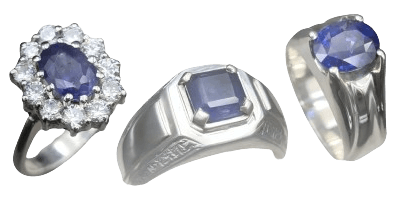
Where is sapphire found? This is one of the first questions any serious sapphire buyer should ask before purchasing a natural sapphire ring. Where a sapphire comes from determines its color, quality, rarity, and value more than almost any other factor. A Kashmir sapphire and a commercial grade Thai sapphire are the same mineral. The price difference between them can be ten times or more.
Understanding where sapphire is found gives you real knowledge before you buy. This guide covers every major sapphire source in the world and what makes each one different.
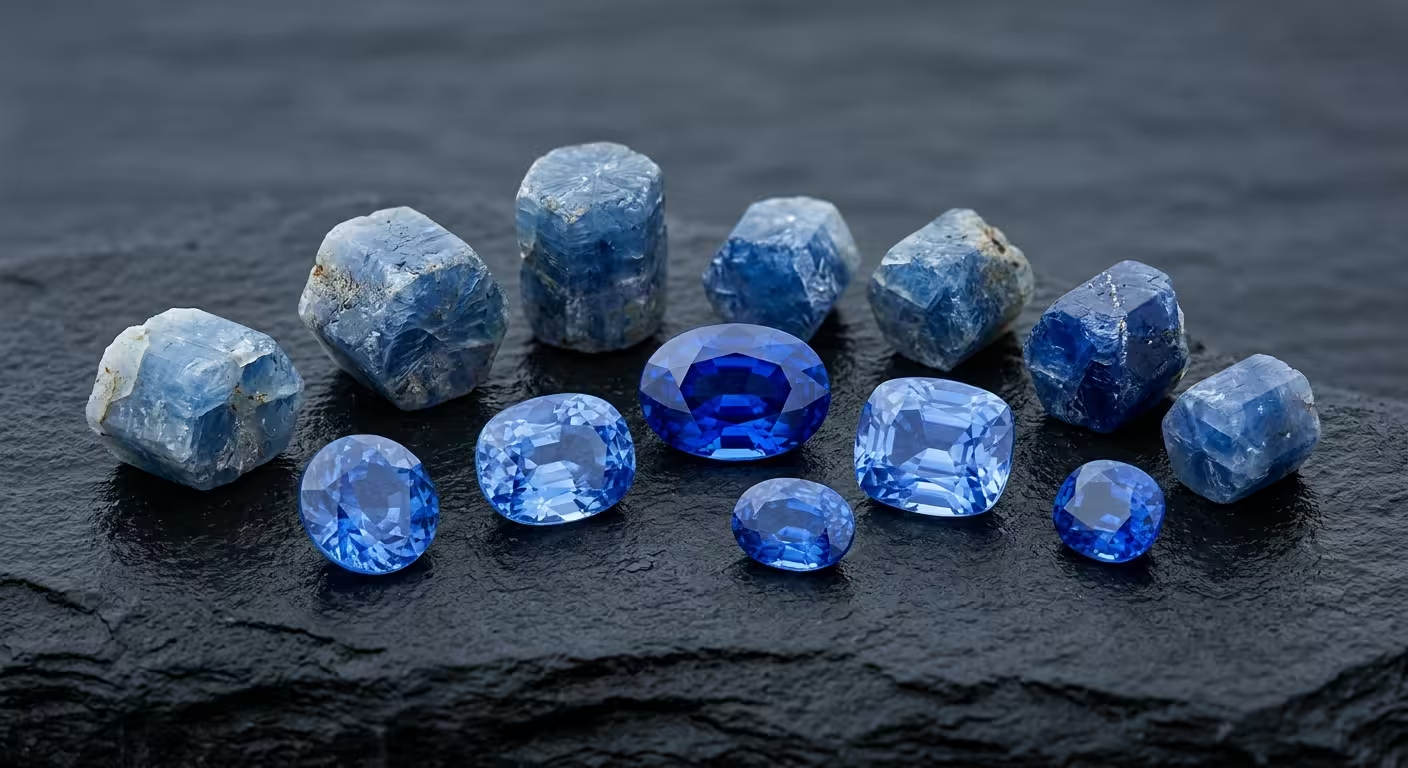
Sapphire is a variety of corundum, an aluminum oxide mineral that forms deep inside the earth under extreme heat and pressure. The blue color comes from trace amounts of iron and titanium locked inside the crystal structure. Different concentrations of these elements produce different shades of blue, from pale cornflower to deep royal blue to the legendary velvety blue Kashmir is famous for.
Sapphire forms in metamorphic rocks, igneous rocks, and alluvial deposits where ancient rocks have eroded and gemstones have washed downstream over millions of years. Most of the world’s finest sapphires are recovered from alluvial deposits, which is why sapphire mining often involves river and stream work rather than underground tunneling.
Where Is Sapphire Found? The 7 Most Important Sources
The answer to where is sapphire found spans multiple continents. Each source has its own geological character, color profile, and market reputation. Here are the seven most important sapphire producing regions in the world.
1. Kashmir, India — The Most Prized Sapphire Source on Earth
When gemologists and collectors ask where is sapphire found at its absolute finest, the answer is Kashmir. Found in the Zanskar Range of the Himalayas at elevations above 4,500 meters, Kashmir sapphires were discovered in 1879 when a landslide exposed an extraordinary deposit of vivid blue crystals. The mining period lasted only a few decades before the deposit was largely exhausted, which is why genuine Kashmir sapphires are among the rarest gemstones on earth today.
The color of a Kashmir sapphire is described as velvety cornflower blue, caused by microscopic inclusions that scatter light inside the stone and create a softness and depth no other source has replicated. A certified natural unheated Kashmir sapphire regularly commands prices that exceed diamonds of comparable size. According to the GIA sapphire quality guide, Kashmir origin is one of the most significant value factors in the entire sapphire market.
2. Ceylon, Sri Lanka — Two Thousand Years of Sapphire History
Sri Lanka, historically known as Ceylon, is the most historically significant answer to where is sapphire found consistently at high quality. The island’s gem rich gravels in the Ratnapura region have produced exceptional sapphires for over two thousand years. Famous Ceylon sapphires include the Blue Belle of Asia and the sapphire in Princess Diana’s engagement ring now worn by Princess Catherine.
Ceylon sapphires are known for their vivid medium blue color with strong saturation and excellent transparency. They tend to be lighter and brighter than Kashmir stones with a brilliance that makes them exceptional for jewelry. Sri Lanka also produces pink sapphires, yellow sapphires, and the rare padparadscha sapphire with its unique salmon pink orange color found almost nowhere else on earth.
For a natural sapphire ring that carries centuries of proven quality, Ceylon origin is one of the strongest indicators of a genuinely fine stone.
3. Burma, Myanmar — Royal Blue Sapphires from the Mogok Valley
Burma, now Myanmar, is famous primarily for its rubies but the Mogok Valley also produces exceptional blue sapphires. Where is sapphire found in Burma? In the same ancient metamorphic deposits that yield the world’s finest pigeon blood rubies. Burmese sapphires tend toward a deeper richer royal blue than Ceylon stones with strong color saturation and excellent clarity.
Mogok sapphires are relatively rare and command significant premiums when accompanied by origin certification. The combination of color depth and historical prestige makes Burmese sapphires among the most collectible natural sapphire stones in the world.
4. Madagascar — The Modern Giant of Sapphire Production
Madagascar transformed the global sapphire market when large deposits were discovered near Ilakaka in the 1990s. Today Madagascar is the world’s largest producer of sapphires by volume. Where is sapphire found in Madagascar? In alluvial deposits across the southern part of the island that rival Sri Lanka in total production.
Madagascan sapphires vary enormously in quality. The finest stones rival Ceylon in color and clarity. Origin certification from Madagascar does not guarantee quality the way Kashmir or Ceylon origin does, but the finest Madagascan stones represent excellent value for buyers seeking natural sapphires at more accessible price points.
5. Australia — Dark and Durable Natural Sapphires
Australia, particularly Queensland and New South Wales, produces significant quantities of natural sapphire. Where is sapphire found in Australia? Primarily in basalt deposits and alluvial gravels that have yielded sapphires for commercial mining since the late 1800s.
Australian sapphires tend toward darker inky blues and greens, sometimes with a slightly steely quality. They are genuine natural sapphires, extremely durable and well formed, but generally considered below Ceylon and Kashmir in desirability due to their darker color profile. They are commonly used in commercial jewelry where deep color at accessible prices is the priority.
6. Montana, USA — America’s Own Natural Sapphire
Montana is the only significant sapphire source in the United States. Where is sapphire found in America? In Yogo Gulch in central Montana, which produces small but exceptionally fine blue sapphires with a distinctive cornflower blue color that rivals Kashmir in hue. Yogo sapphires are almost always completely natural and untreated because their color is already excellent without heat enhancement, which is extremely unusual anywhere in the world.
Montana also produces a range of colored sapphires from other deposits including teal, green, and parti colored stones that have become popular with buyers seeking distinctive and ethically sourced American gems.
7. Thailand and Cambodia — The World’s Sapphire Treatment Centers
Thailand and Cambodia produce their own sapphires but are more significant globally as treatment and cutting centers. Bangkok is where the majority of the world’s rough sapphires travel to be heat treated and cut into finished stones. Where is sapphire found and processed commercially? Bangkok is the answer for most of the world’s commercial sapphire supply.
Thai sapphires tend toward darker slightly greenish blues. They are genuine natural sapphires but typically require heat treatment to reach commercial quality. Understanding this distinction helps buyers make more informed decisions when origin is listed in a product description.
Why Does Sapphire Origin Matter When Buying a Ring?
Now that you know where is sapphire found around the world, why does origin matter when buying a natural sapphire ring? Origin matters for two key reasons. First, certain origins like Kashmir and Ceylon consistently produce sapphires with specific color qualities that collectors and buyers prize above all others. Second, origin is a primary factor in valuation. A certified Kashmir sapphire is worth multiples of a comparable stone from a less prestigious source.
For everyday jewelry buyers the most important things are whether the stone is completely natural and whether its color genuinely appeals to you. A fine Ceylon sapphire in a quality setting delivers beauty and durability that will last a lifetime regardless of whether it carries the premium of Kashmir origin.
At RingsWear every sapphire ring features a completely natural stone. Not synthetic, not dyed, and not treated in any form beyond standard industry practice. Certification confirming stone authenticity is available on demand for every purchase. Browse our full collection of natural gemstone rings and discover the range of natural sapphire designs available. Learn more about how we source every stone on our about us page.
Summary — Where Is Sapphire Found Around the World
The question of where is sapphire found has seven primary answers. Kashmir for the world’s most prized velvety blue stones. Ceylon for two thousand years of consistent high quality production. Burma for deep royal blue collectible gems. Madagascar for modern high volume production. Australia for dark commercial grade stones. Montana for natural untreated American sapphires. And Thailand and Cambodia as the global centers of sapphire treatment and cutting.
Each source tells a different geological and cultural story. Each produces stones with their own character. Knowing where sapphire is found and what that means gives you the knowledge to buy with confidence.
Where is sapphire found in the world?
Natural sapphire is found in several countries including Sri Lanka, Kashmir in India, Myanmar, Madagascar, Australia, Thailand, Cambodia, and the United States in Montana. Each source produces sapphires with distinct color characteristics and different levels of prestige in the global gem market.
Which country produces the best quality sapphires?
Kashmir in India is considered the most prestigious sapphire source in the world producing stones with a legendary velvety cornflower blue color. Sri Lanka known historically as Ceylon is the most consistent source of high quality sapphires and has been producing fine gems for over two thousand years.
How can I tell where a sapphire comes from?
Sapphire origin can only be reliably determined through laboratory testing by a certified gemological laboratory such as GIA. The laboratory examines inclusions trace element chemistry and other geological characteristics to determine the likely geographic origin of the stone.
Agate gemstone rings are some of the oldest and most varied rings in the world,...
Finding reputable jewelers selling natural topaz matters more than most buyers expect, because topaz is...

Can men wear ruby ring styles the way women do? Yes, and they have for...

Choosing the right yellow sapphire ring finger is the first question most people ask once...

Knowing how to clean amethyst ring at home keeps the purple bright and the silver...

The Yemeni aqeeq gemstone in Islam holds a place few other stones can claim. Worn...

The difference between synthetic vs natural sapphire is the single most important thing to understand...

Yellow sapphire rings for men are among the most meaningful pieces a man can own....

Real gemstone rings in 925 silver are one of the smartest purchases a man can...